Sites & Applications
EV Charging at Supermarkets and Grocery Stores
How many chargers a supermarket car park needs, AC or DC, how long shoppers stay, who pays for the energy and what to ask a charger supplier.
- Prepared by
- VULTAE Engineering Team
- Published
- Reading time
- 2 min
- Sources
- —
Key takeaways
- 1A grocery shop is a 20–60 minute stop. That suits AC posts for the weekly shop and a small number of DC chargers for drivers who need a quick top-up, not a hub sized like a motorway site.
- 2The business case is footfall and dwell time rather than energy margin. Many stores price charging at cost or offer a free first period for customers, and use idle fees to keep bays turning over.
- 3Plan the supply, the bay layout near the entrance, payment without an app and a way to stop non-customers occupying bays all day.
Contents
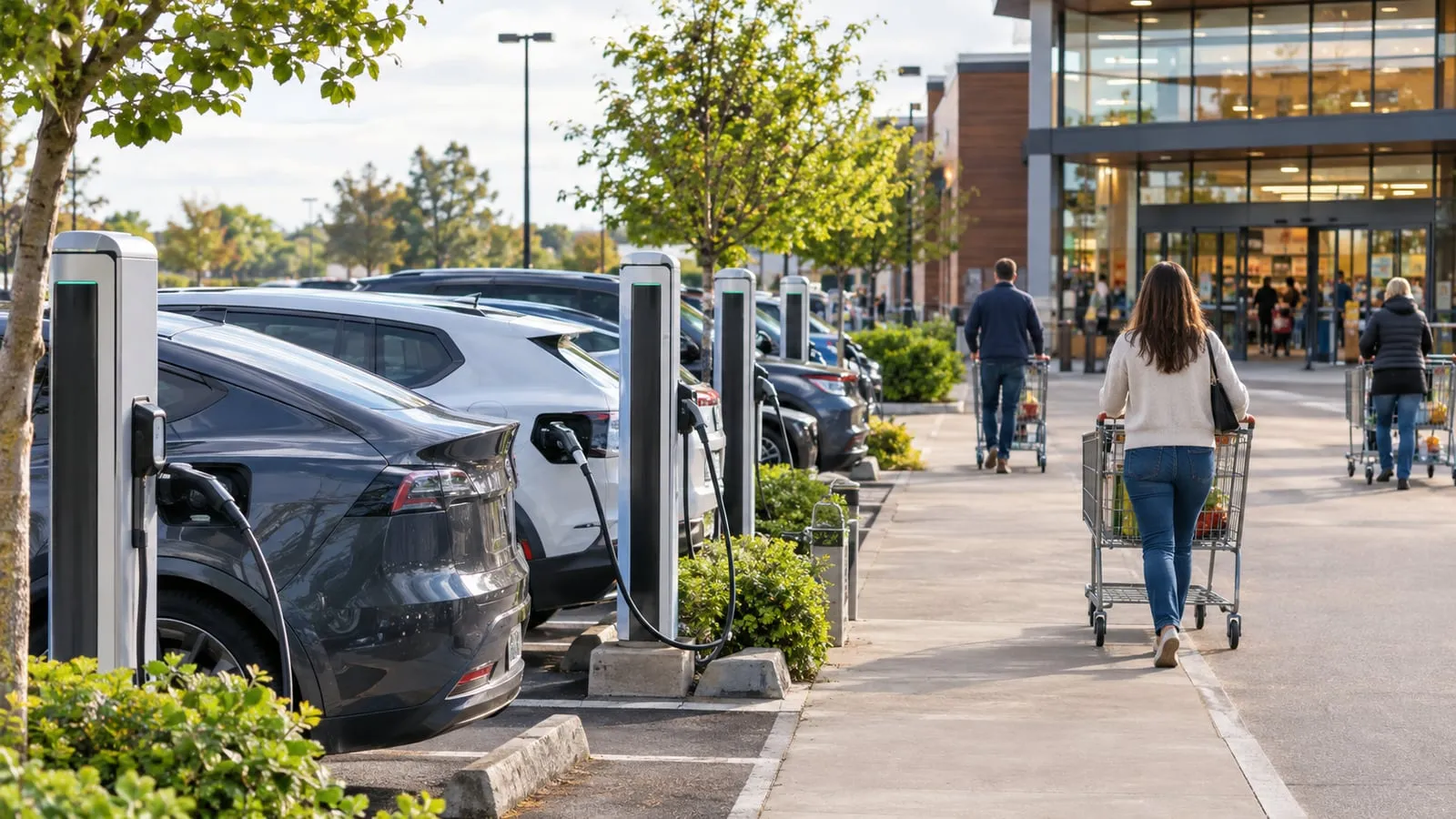
Short answer: treat a supermarket as a destination site: AC posts for the weekly shop, one or two DC chargers if the location is on a through road, and a simple payment and time-limit policy so bays are used by shoppers.
How shoppers use the car park
| Visit type | Typical stay | Best fit |
|---|---|---|
| Top-up shop | 15–30 minutes | DC charger or 22 kW AC |
| Weekly shop | 30–60 minutes | 7–22 kW AC post |
| Shop plus café or pharmacy | 60–90 minutes | 7–11 kW AC post |
| Employees | 4–8 hours | Separate staff bays, lower power |
The longer the stay, the less power you need per bay. A 7 kW post adds roughly 3.5–7 kWh in a 30–60 minute shop, enough for a modest top-up. For the arithmetic behind these numbers see why a 22 kW charger rarely charges at 22 kW.
Layout and bay planning
- Near the entrance but not in the pedestrian route: shoppers want short walks, and cables must not cross walkways.
- Pedestal posts between two bays: one dual-port AC pedestal serves two bays with one trench.
- Cable length and holster height: see bay layout, signage and bollards.
- Accessible bays: include them from the start; see accessible charging bays.
- Trolley bays and bollards: protect the posts from trolley impact.
Electrical supply
Supermarkets often have spare capacity at night but not at peak trading. Use dynamic load management to share the available current between chargers and the store. A DC charger needs a larger connection; check the grid power a DC site needs before you decide.
Who pays and how
| Model | How it works | Watch out for |
|---|---|---|
| Paid at cost | Customers pay per kWh | Needs simple payment: card terminal or contactless |
| Free for customers | Receipt, loyalty card or app unlocks charging | Abuse, energy and demand cost |
| Free first hour, then paid | Rewards a normal shop, discourages long stays | Needs time-based rules |
| Operator-run | A CPO installs and runs the chargers and shares revenue | Contract terms; see revenue sharing |
Not every shopper has an app. Offer RFID, a card terminal or both; see payment at EV chargers.
Keeping bays available
- Time limit or idle fee after charging ends; see idle fees and overstay policies.
- Signage that states who may use the bays and the maximum stay.
- Parking enforcement for petrol cars in charging bays, if the car park is managed.
What to ask the supplier
| Question | Why |
|---|---|
| Does the charger support OCPP and load management? | Works with the store’s power and your back end |
| Ingress and impact protection | Trolleys, rain and dust |
| Tethered cable or socket | Tethered is simpler for shoppers |
| Display or LED status | Drivers can see charging state; see LED status codes |
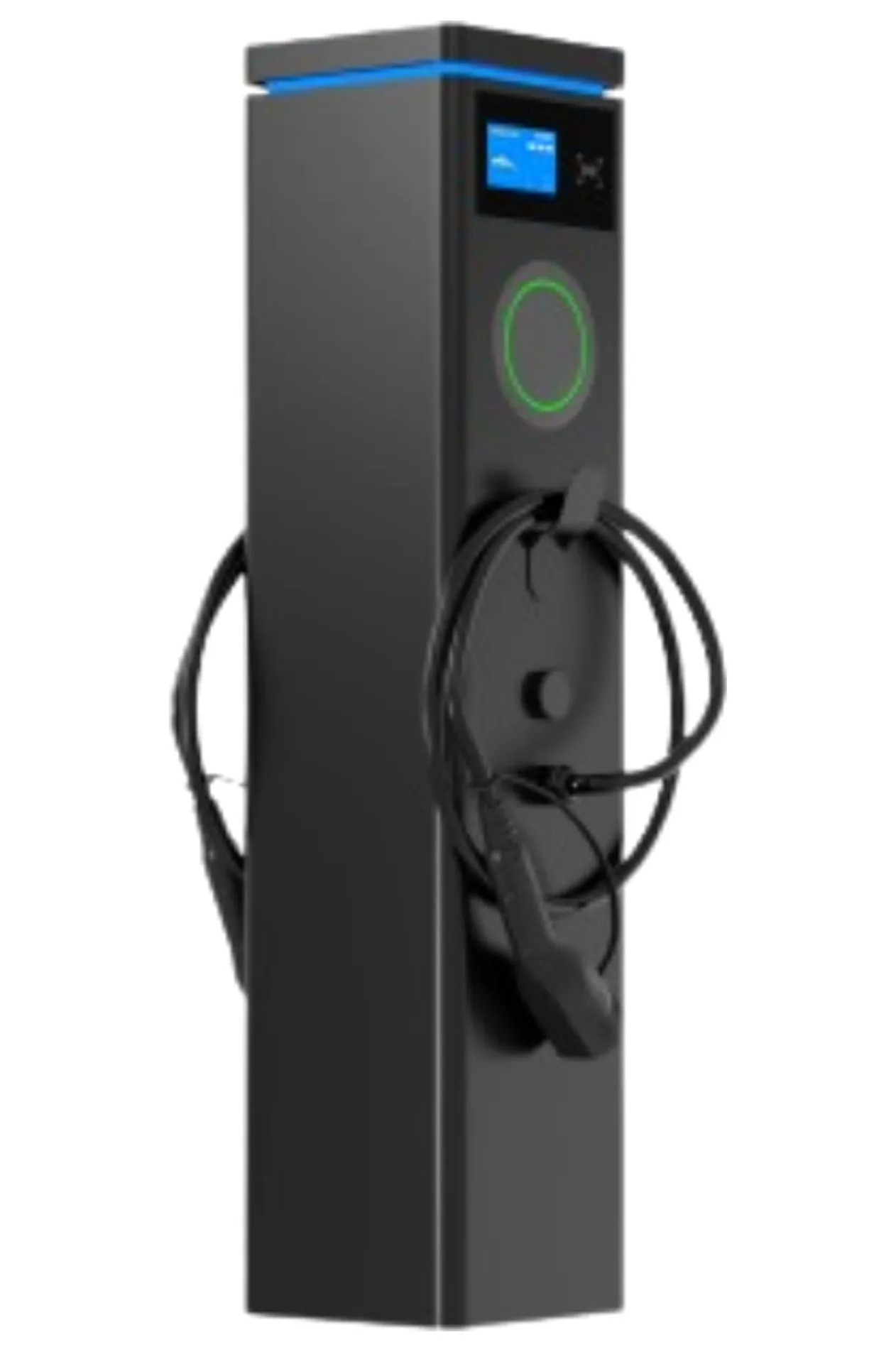
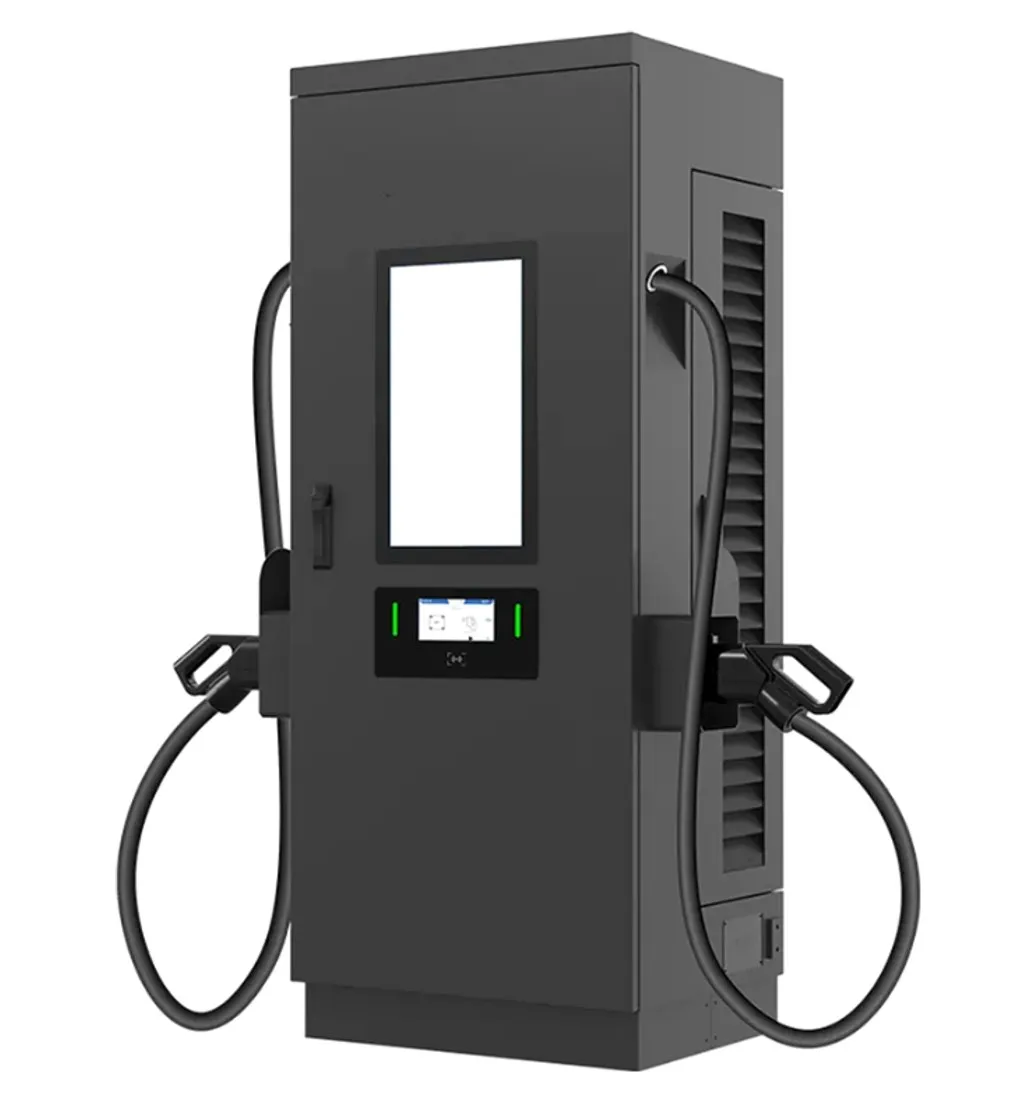
VULTAE makes the AC posts and DC chargers for this type of site and can match configuration to your supply; send us your car park plan and the distribution board rating.
Questions buyers ask
- Should a supermarket choose AC or DC chargers?
- For a typical 30–60 minute shop, 7–22 kW AC posts add a useful amount of range. Add one or two DC chargers if the store is on a main road or customers ask for a fast stop. Let your parking data decide.
- How many bays should a supermarket equip?
- A common starting point is a few percent of the car park, with ducting and electrical capacity ready for more. Measure usage after the first year and expand.
- Should charging be free for customers?
- Some retailers do this as a loyalty measure, others charge at cost. Free charging needs a way to identify customers and limit abuse, and it still costs energy and demand charges.