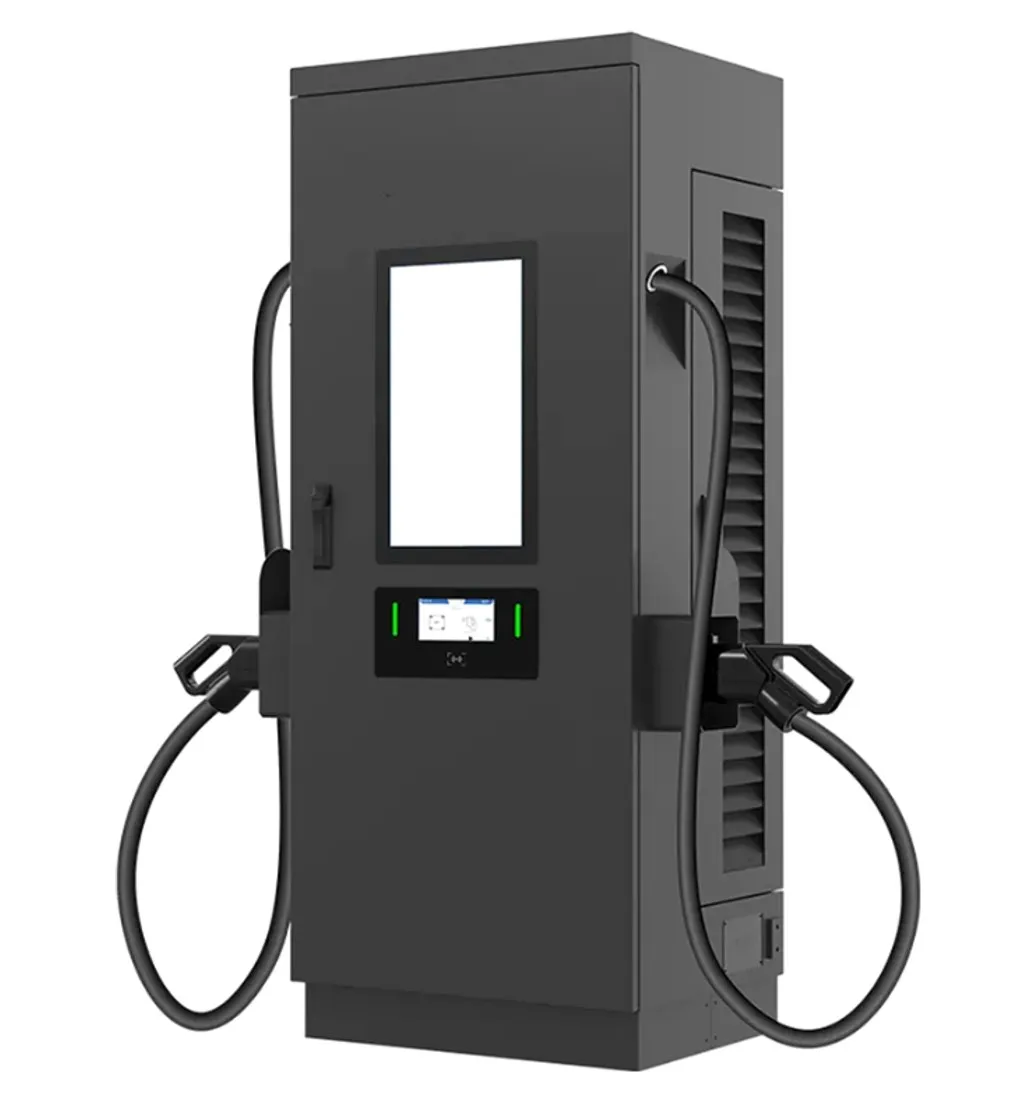
DC fast chargers · 160 kW
160 kW DC Charger for Highway and Fleet Sites
Why 160 kW is a balance point: two 400 V cars each get ~80 kW and one 800 V car gets 160 kW on 200 A cables. Supply, charging times and sites.
- Prepared by
- VULTAE Engineering Team
- Published
- Reading time
- 4 min
- Sources
- 2 references
At a glance
- Rated output
- 160 kW DC
- Connectors
- CCS2 + CCS2 or CCS2 + CHAdeMO
- Current per CCS connector
- Up to 200 A
- Two 400 V cars
- ≈ 80 kW each
- One 800 V car
- Up to 160 kW
- Input
- 400 V 3-phase, 248 A per phase
- Apparent power
- ≈ 172 kVA
- VULTAE model
- VT-DF160
Key takeaways
- 1160 kW is a natural balance point for a dual-connector charger with 200 A air-cooled cables: two 400 V-class cars can each charge at their full cable-limited ~80 kW at the same time.
- 2For a single 800 V-class car, 200 A at about 800 V is 160 kW — so one high-voltage car can use the whole cabinet without liquid-cooled cables.
- 3The VT-DF160 draws up to 248 A per phase at 400 V, about 172 kVA — usually a dedicated transformer or a large commercial connection.
- 4Good fits: motorway and trunk-road sites with steady traffic, fleet depots where two vehicles often charge together, and city hubs serving taxis and ride-hailing cars.
Contents
Short answer: 160 kW is a balance point for a dual-connector DC charger with standard 200 A air-cooled cables. Two 400 V-class cars can each charge at their full cable-limited speed of about 80 kW at the same time, and one 800 V-class car can use the whole 160 kW (200 A × about 800 V) without liquid-cooled cables. The VT-DF160 needs about 172 kVA (248 A per phase at 400 V) and suits trunk-road sites, busy fleet depots and city hubs.
Why 160 kW fits 200 A cables so well
| Situation | Connector A | Connector B | Cabinet used |
|---|---|---|---|
| One 400 V-class car | ≈ 80 kW (cable limit) | — | Half |
| One 800 V-class car | Up to 160 kW | — | All |
| Two 400 V-class cars | ≈ 80 kW | ≈ 80 kW | All |
| One 400 V + one 800 V car | ≈ 80 kW | ≈ 80 kW | All |
Charging times
| Vehicle and situation | Average power, 10 → 80 % | 60 kWh battery | 80 kWh battery |
|---|---|---|---|
| 400 V-class car, alone or sharing | ≈ 65–70 kW | ≈ 35 min | ≈ 50 min |
| 800 V-class car, alone | ≈ 110–130 kW | ≈ 20 min | ≈ 25–30 min |
| 800 V-class car, sharing | ≈ 70 kW | ≈ 35 min | ≈ 50 min |
Estimates; the car’s charging curve, battery temperature and state of charge decide the real time — see why a 150 kW charger rarely delivers 150 kW.
Supply and site
| Item | VT-DF160 |
|---|---|
| Supply | 230 / 400 V AC, 3-phase, 50/60 Hz |
| Input current | Up to 248 A per phase |
| Apparent power | ≈ 172 kVA (two units ≈ 344 kVA) |
| Foundation | Concrete base, cable entry from below |
| Footprint (W × D × H) | 850 × 840 × 1,850 mm (plus 115 mm cable hanger) |
At this size, most sites need a dedicated transformer or a large commercial connection. Check the utility’s demand charges too: two 160 kW chargers can set a high monthly peak even with modest use — load management can cap it.
Where 160 kW fits
| Site | Why |
|---|---|
| Trunk roads and secondary motorways | Two cars at full 400 V speed; 800 V cars served well |
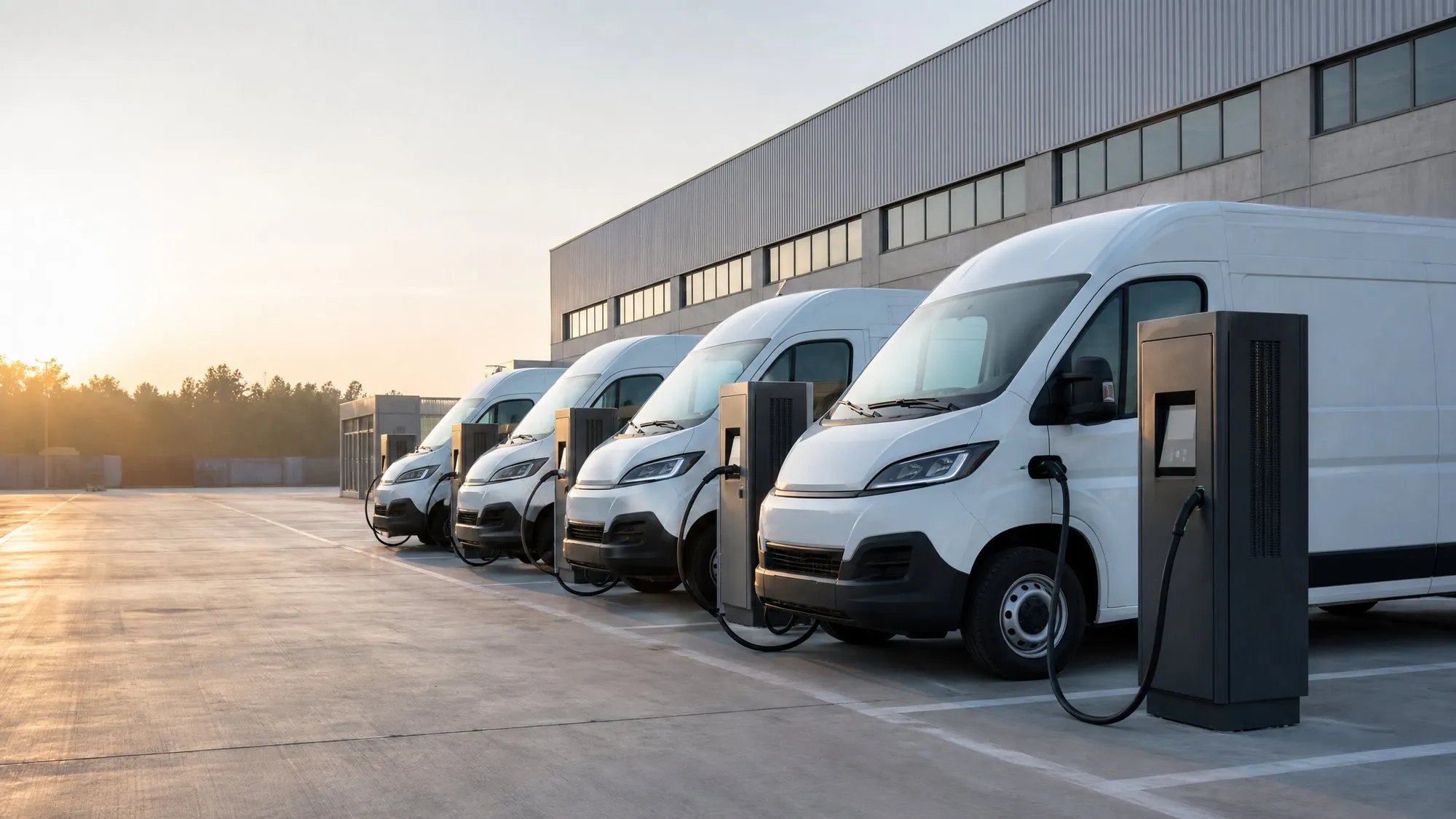
| Fleet depots with quick turnarounds | Taxis, ride-hailing, delivery vans charging between shifts, often two at once |
| City fast-charging hubs | High turnover with a mix of 400 V and 800 V cars |
| Fuel station forecourts | Short stops; two bays per cabinet |
For the busiest motorway hubs serving mainly 800 V cars, see 240 kW. For sites where most visitors stay 30–60 minutes, 120 kW may be enough.
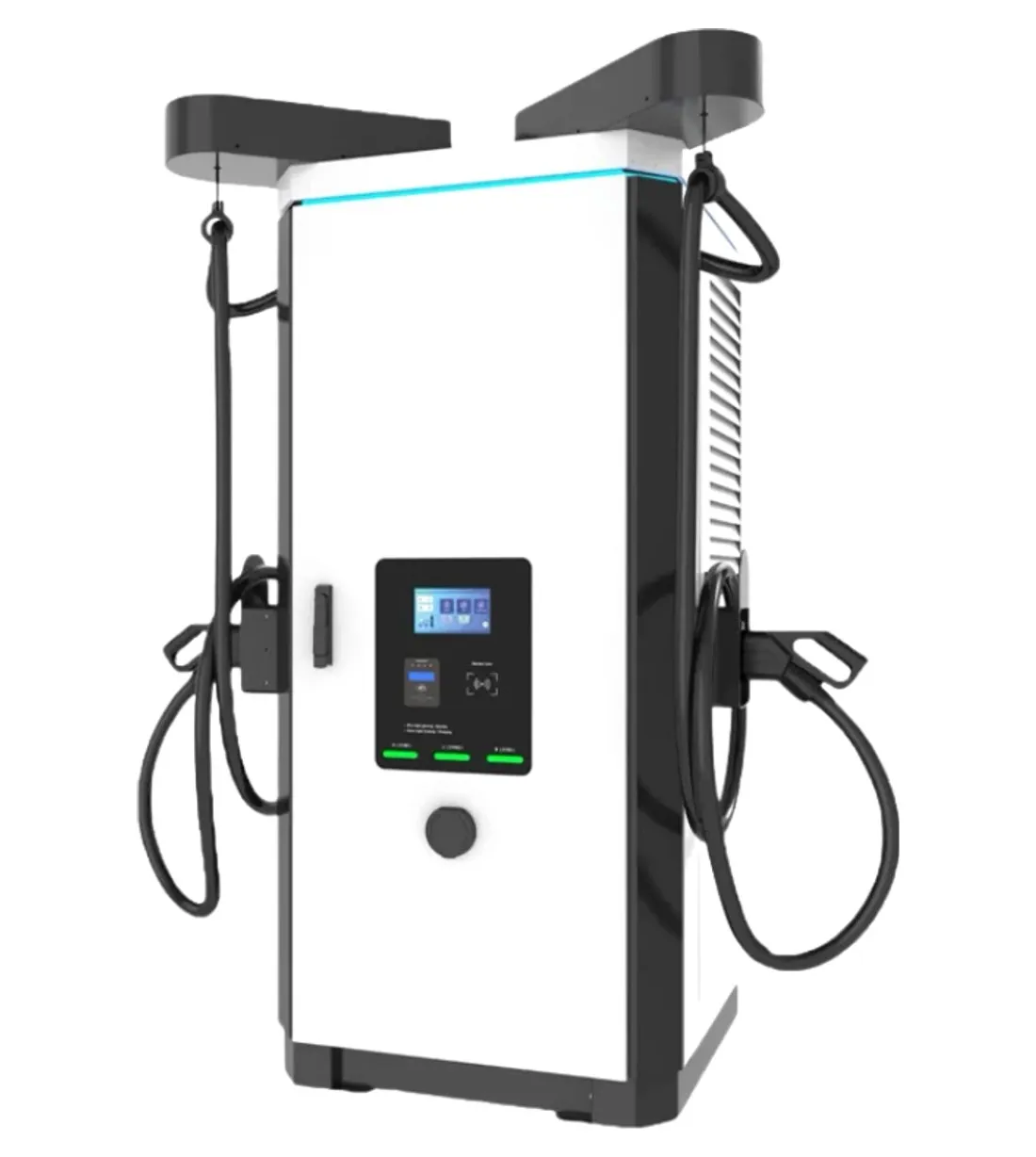
VT-DF160 specifications
| VT-DF160 | |
|---|---|
| Max. output power | 160 kW |
| Connectors | CCS2 + CCS2, or CCS2 + CHAdeMO |
| Output voltage | 150–1,000 V DC |
| Max. current | CCS2 up to 200 A; CHAdeMO 150 A |
| Efficiency | ≥ 95.2 % at full load |
| Ingress / impact | IP54 · IK10 |
| Operating temperature | −20 °C to +55 °C |
| Interface | 7″ touchscreen, RFID, QR code; OCPP 1.6J / 2.0.1 |
| Options | 21″ advertising screen, POS payment, 22 kW AC output, 4G, C4 anti-corrosion finish |
In North America, the VT-DF family comes in 150 and 180 kW versions for 480 V supplies. See the VT-DF product page.
Questions buyers ask
- How fast does a 160 kW charger charge?
- For a 400 V-class car on a 200 A cable, about 80 kW at most — roughly 30–35 minutes from 10 % to 80 % on a 60 kWh battery. An 800 V-class car can take up to 160 kW, and some reach 10–80 % in around 20 minutes, depending on their charging curve.
- Why 160 kW instead of 120 or 180 kW?
- With 200 A cables, a 400 V car tops out around 80 kW. At 160 kW, two such cars charge at full speed simultaneously, and a single 800 V car can use the full 160 kW. 120 kW leaves two cars at about 60 kW each; 180 kW and above only add speed for 800 V cars or with higher-current cables.
- What supply does a 160 kW DC charger need?
- The VT-DF160 draws up to 248 A per phase at 400 V, about 172 kVA. That usually means a dedicated transformer or a large commercial supply; load management can cap the peak if capacity is limited.
- Is a 160 kW charger good for a fleet depot?
- Yes, where two vehicles often charge at the same time and turnaround matters — for example taxis, ride-hailing and delivery vans between shifts. For overnight depot charging, lower-power DC or AC is usually more economical.
References
- [1]IEC 61851-23:2023 — DC electric vehicle supply equipment. International Electrotechnical Commission.
- [2]Regulation (EU) 2023/1804 on alternative fuels infrastructure (AFIR). EUR-Lex.