Country guide · Saudi Arabia
EV Chargers in Saudi Arabia: Approvals, Grid, Climate and Buyer’s Checklist
What an EV charger needs in Saudi Arabia: 230/400 V at 60 Hz, SASO conformity and SABER, WERA and SEC rules, the EVIQ network, desert climate and site setups.
- Prepared by
- VULTAE Engineering Team
- Published
- Reading time
- 6 min
- Sources
- 8 references
At a glance
- Grid supply
- 230 / 400 V, 60 Hz
- AC connector
- Type 2 (IEC 62196-2)
- DC connector
- CCS2 (IEC 62196-3)
- Product conformity
- SASO certificate + SABER
- Charging activity rules
- WERA framework (2022)
- Grid connection
- Saudi Electricity Company
- National fast network
- EVIQ — 5,000 chargers by 2030
- Climate
- Extreme heat, dust storms, humid coasts
Key takeaways
- 1Saudi Arabia runs at 60 Hz, not 50 Hz, after converting residential and commercial supplies from 127/220 V to 230/400 V. Order chargers rated for 60 Hz — equipment built only for 50 Hz is not suitable.
- 2Chargers and their accessories need a SASO certificate of conformity and SABER product and shipment certificates before customs clearance; plan this before the first container leaves.
- 3Building and operating charging stations follows the Water and Electricity Regulatory Authority’s framework of 2022, with power connection approved by the Saudi Electricity Company and site requirements from the Ministry of Municipal and Rural Affairs and Housing.
- 4EVIQ, owned by the Public Investment Fund (75 %) and the Saudi Electricity Company (25 %), plans 5,000 fast chargers at 1,000 locations by 2030 — the market is moving from pilots to corridors and cities.
Contents
Short answer: a charger for Saudi Arabia must run on 230/400 V at 60 Hz, use Type 2 for AC and CCS2 for DC, and carry a SASO certificate of conformity with SABER product and shipment certificates for customs. Building and operating charging stations follows the WERA regulatory framework of 2022, with the power connection approved by the Saudi Electricity Company and site requirements from the municipal authorities. Design for extreme summer heat, dust storms and, on the coasts, humidity and salt.
This guide is written for charge point operators, developers, distributors and contractors supplying chargers to Saudi Arabia. It summarises public information as of October 2026 — confirm current procedures with SASO, WERA and your customs agent before you sign.
A market moving from pilots to networks
| Indicator | Detail | Source |
|---|---|---|
| National fast-charging company | EVIQ, owned 75 % by the Public Investment Fund and 25 % by the Saudi Electricity Company | EVIQ / AGBI |
| EVIQ target | 5,000 fast chargers at 1,000 locations by 2030 | EVIQ / AGBI |
| First EVIQ site | ROSHN Front, Riyadh, with chargers above 100 kW | EVIQ |
| Charging activity framework | Issued by WERA in August 2022 | AGBI / CMS |
| Power connections for chargers | Requested from the Saudi Electricity Company | Argaam |
For equipment suppliers, two things follow. Public fast charging is being built along corridors and in the big cities by a national player with high technical standards, and private sites — malls, hotels, compounds, offices, fleet depots — are opening up for operators and developers who follow the WERA framework.
The grid: 60 Hz and a voltage change
Saudi Arabia is one of the few countries in the region on 60 Hz. It also converted residential and commercial supplies from the old 127/220 V system to 230/400 V, under a Council of Ministers resolution. For chargers this means:
| Check | What to confirm |
|---|---|
| Frequency | Rated for 60 Hz (or 50/60 Hz). Chargers built only for 50 Hz are not suitable |
| Voltage | 230 V single-phase / 400 V three-phase input |
| Older buildings | Some older buildings may still have parts of the 127/220 V system — survey the site before ordering |
| Large DC sites | Medium-voltage connection and transformer agreed with the Saudi Electricity Company |
Who regulates what
| Authority | Role for chargers |
|---|---|
| SASO (Saudi Standards, Metrology and Quality Organization) | Technical regulation and certificates of conformity for EV chargers and accessories; adopted IEC 62196 connector standards |
| SABER (SASO’s platform) | Product certificate per model and shipment certificate per consignment for customs clearance |
| WERA (Water and Electricity Regulatory Authority) | Regulatory framework for EV charging activity (2022) |
| Saudi Electricity Company | Power connection requests and approvals for chargers |
| Ministry of Municipal and Rural Affairs and Housing | Technical and licensing requirements for charging sites |
Connectors
New vehicles and new public chargers in Saudi Arabia mainly use Type 2 for AC and CCS2 for DC, consistent with the IEC 62196 standards SASO has adopted. Some older sites still have CHAdeMO, and some imported vehicles use GB/T. For new public sites, Type 2 and CCS2 are the safe default; add a second DC connector type only if your customers’ vehicles need it, and confirm that it is covered by the certificate of conformity.
Climate: heat inland, humidity and salt on the coasts
Saudi Arabia combines three hard conditions for outdoor electronics:
| Region | Main stress | What to specify |
|---|---|---|
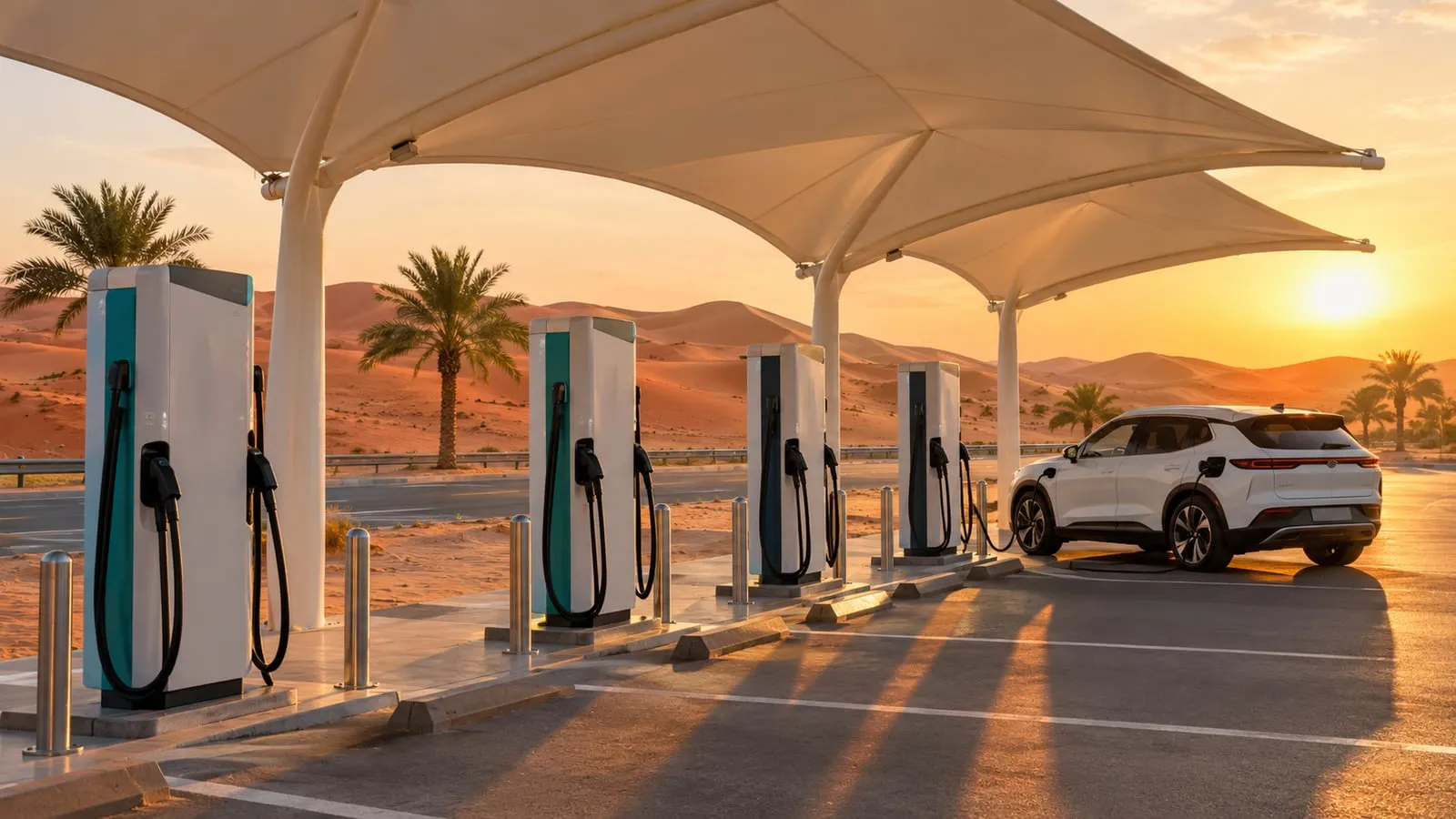
| Riyadh and the interior | Summer air temperatures near 50 °C, intense sun | Full output at high ambient (ask for the derating curve), light-coloured housings, shade structures |
| Everywhere, especially open desert | Dust and sandstorms | At least IP54; filters that can be reached and cleaned on DC chargers; sealed cable entries |
| Jeddah (Red Sea) and the Eastern Province (Gulf) | Humidity, salt air, condensation | Corrosion-resistant finish (C4 / C5 class), stainless fixings, anti-condensation heating in DC cabinets |
Plan maintenance around the climate: in dusty seasons, DC chargers with forced-air cooling may need filter cleaning far more often than in temperate markets.
Recommended configurations by site
| Site | Typical choice | Notes |
|---|---|---|
| Villas and compounds | 7–22 kW AC wallboxes, Type 2 | Three-phase supply common in larger villas; load management for compounds |
| Offices, hotels, residential towers | Dual-port AC posts or wall units, 2 × 7–22 kW | Long dwell times; OCPP back end for access and billing |
| Malls and destinations | AC posts plus 60–120 kW DC | DC for short visits |
| Fuel stations and city fast charging | 120–180 kW dual-connector DC | Compact cabinets where forecourt space is tight |
| Intercity highways | 160–300 kW dual-connector DC | Long distances between cities; plan for high utilisation at peak travel times |
| Fleet and logistics depots | 60–120 kW DC plus AC for overnight | Size by daily energy per vehicle |
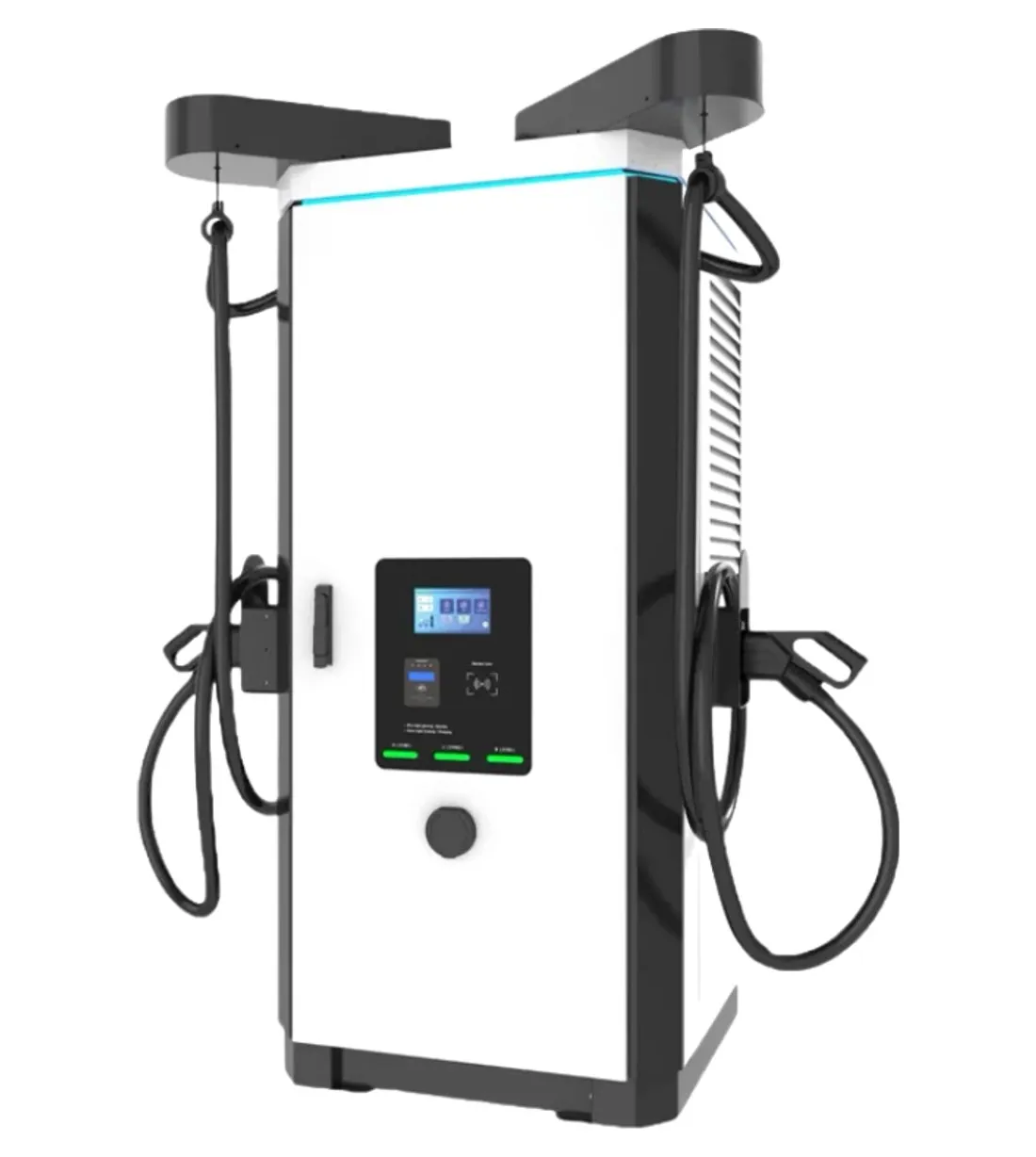
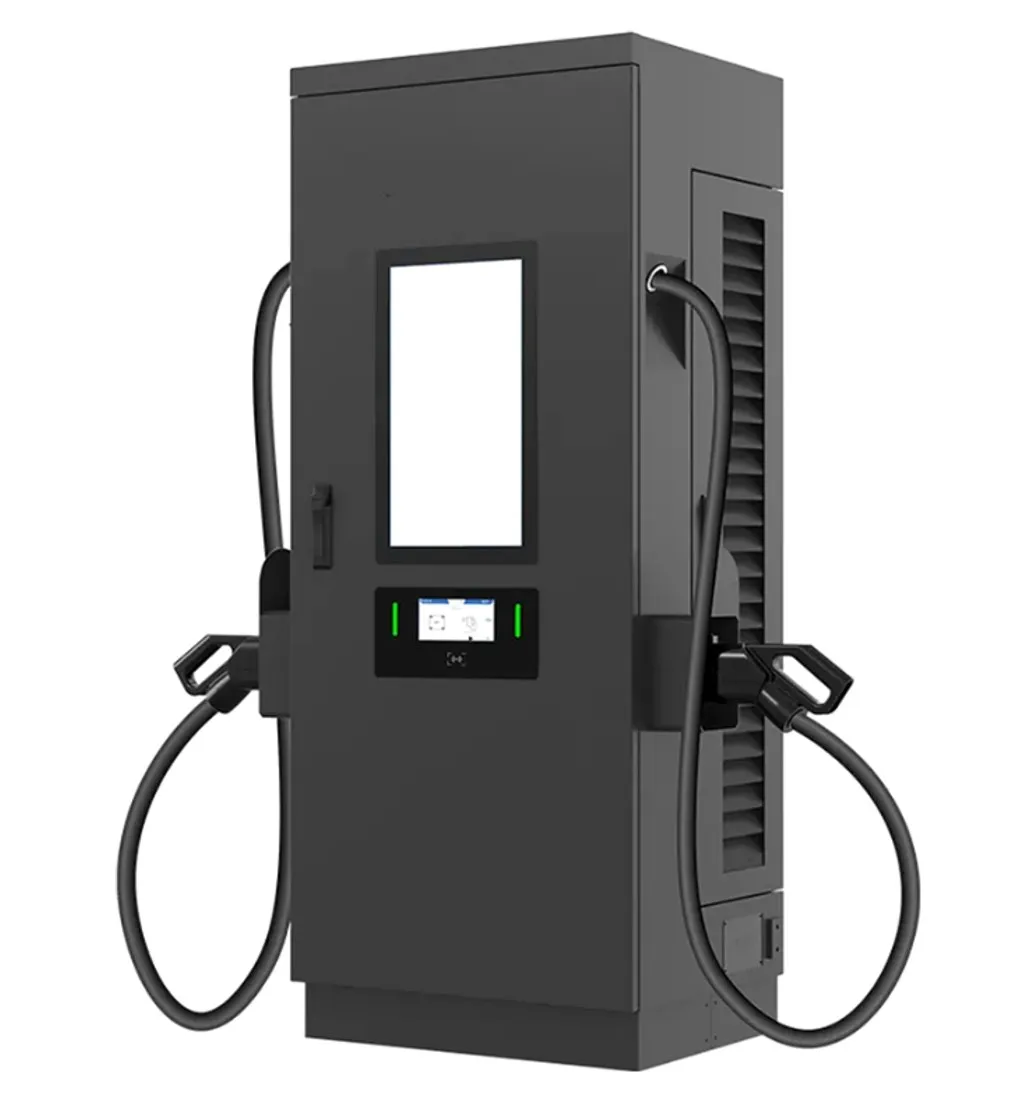
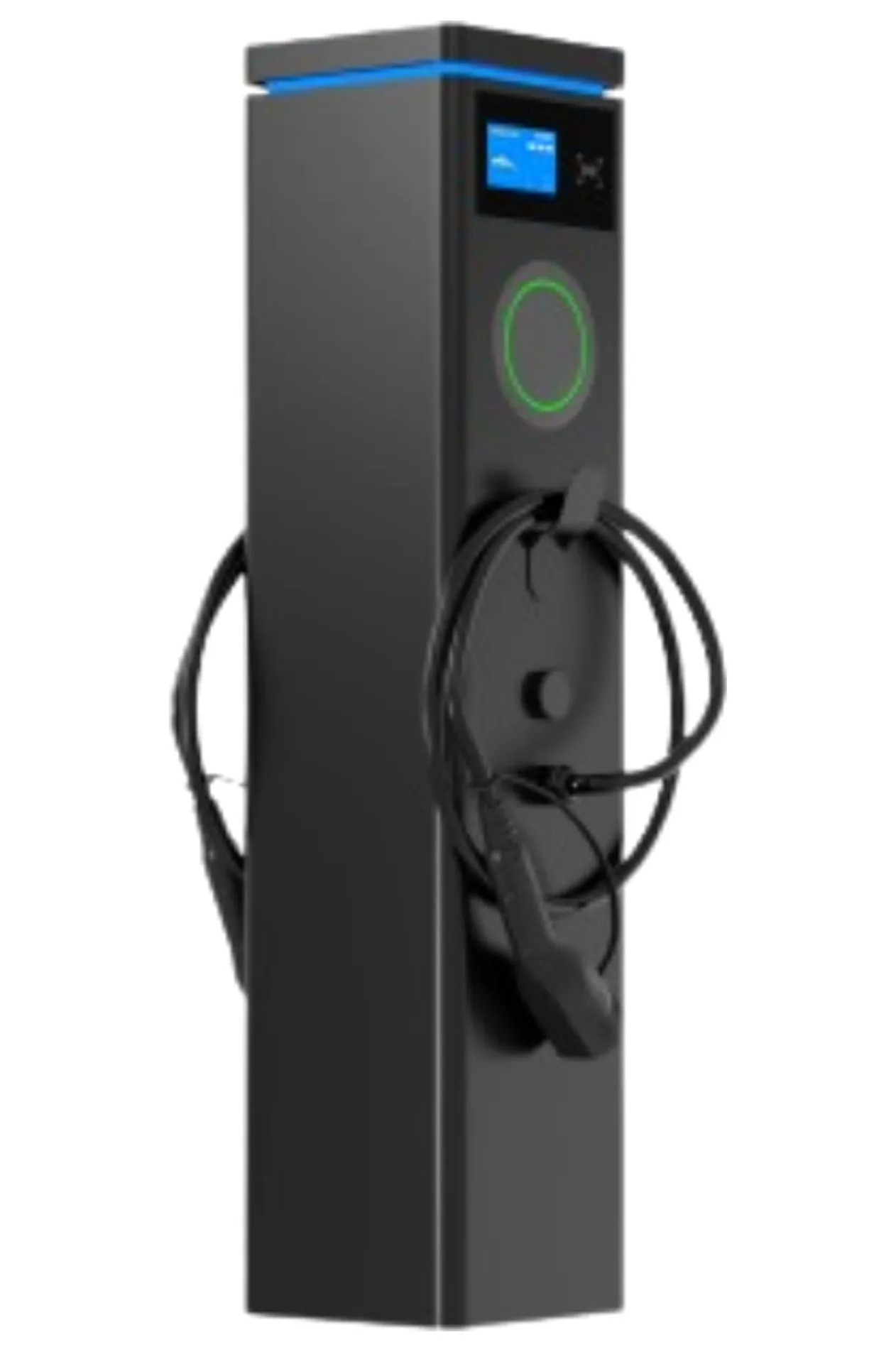
Where VULTAE fits. All our IEC series run on 230/400 V at 50/60 Hz and operate up to +55 °C: the VT-HW wallbox for villas, VT-CW and VT-CP dual-port AC chargers for offices, hotels and malls, VT-DW DC wallboxes (20–60 kW), the VT-DFC compact DC charger (120 / 180 kW) for forecourts, and the VT-DF dual-connector fast charger (60–300 kW) for highway sites, with Type 2 and CCS2 connectors, OCPP 1.6J / 2.0.1 and a C4 anti-corrosion option for DC cabinets. SASO certification and SABER registration are for a specific model and importer; we provide the test reports and documents the application needs.
Importing chargers into Saudi Arabia
- SASO certificate of conformity for each charger model, based on test reports to the referenced standards.
- SABER product certificate registered for the model, and a shipment certificate for each consignment before it arrives.
- Commercial documents: invoice, packing list, bill of lading, certificate of origin.
- Labels and manuals: check SASO’s language requirements for labels, warnings and manuals — Arabic is commonly required for products sold in the Kingdom.
- Customs classification: confirm the HS code with your broker; AC and DC chargers are often classified differently (see our shipping and HS code guide).
Checklist before you order
- Rated for 230/400 V at 60 Hz.
- Type 2 and CCS2 connectors for public sites.
- Full output at your site’s summer temperature — ask for the derating curve.
- IP54 or better, IK10, corrosion class for coastal sites, accessible dust filters on DC units.
- OCPP 1.6J or 2.0.1, tested with your charge point management system.
- SASO certificate of conformity and SABER registration planned before shipment.
- Power connection application to the Saudi Electricity Company and site approvals under the WERA framework and municipal rules.
- Spare parts and trained local technicians — see our spare-parts list.
Questions buyers ask
- What voltage and frequency do EV chargers need in Saudi Arabia?
- Saudi Arabia uses 230 V single-phase and 400 V three-phase at 60 Hz, after the government converted residential and commercial supplies from the older 127/220 V system. Chargers must be rated for 60 Hz operation.
- Do EV chargers need SASO certification?
- Yes. SASO issues certificates of conformity for electric vehicle chargers and their accessories under the electric vehicle technical regulation, and imports are cleared through the SABER platform with product and shipment certificates. Check the current procedure with SASO or your customs agent before shipping.
- Who regulates EV charging stations in Saudi Arabia?
- The Water and Electricity Regulatory Authority (WERA) issued the regulatory framework for EV charging activity in 2022. Power connections are requested from the Saudi Electricity Company, and site and building requirements come from the Ministry of Municipal and Rural Affairs and Housing and local municipalities.
- Which connectors are used in Saudi Arabia?
- Type 2 for AC and CCS2 for DC are the main connectors for new vehicles and public chargers, in line with the IEC 62196 standards adopted by SASO. Some older sites also have CHAdeMO, and some imported vehicles use GB/T. Type 2 and CCS2 are the safe default for new public sites.
- What is EVIQ?
- EVIQ is the brand of the Electric Vehicle Infrastructure Company, owned by the Public Investment Fund and the Saudi Electricity Company. It is building a national fast-charging network with a target of 5,000 fast chargers at 1,000 locations by 2030.
References
- [1]Certificates of conformity. Saudi Standards.
- [2]SABER — product and shipment certificates platform. SASO.
- [3]Plugs and sockets campaign — voltage change to 230/400 V. SASO.
- [4]Saudi Arabia sets rules for rollout of EV charging stations. AGBI.
- [5]Saudi Electricity launches EV charging services, opens installation requests. Argaam.
- [6]Electric vehicle charging infrastructure in the UAE and the Kingdom of Saudi Arabia. CMS.
- [7]About EVIQ. EVIQ.
- [8]PIF-backed EVIQ plans to deploy 5,000 EV chargers. AGBI.