Country guide · South Africa
EV Chargers in South Africa: NRCS, SANS 10142-1, Unreliable Grids and Solar-Backed Sites
Supplying EV chargers to South Africa: NRCS letter of authority, SANS 10142-1 and certificates of compliance, Type 2 and CCS2, and designing around grid limits.
- Prepared by
- VULTAE Engineering Team
- Published
- Reading time
- 4 min
- Sources
- 6 references
At a glance
- Grid supply
- 230 / 400 V, 50 Hz
- Connectors
- Type 2 (AC) · CCS2 (DC)
- Product approval
- NRCS letter of authority (LOA)
- Installation
- SANS 10142-1 + certificate of compliance
- Utilities
- Eskom and municipal distributors
- Eskom–BYD plan
- 200–300 public stations by end-2026
- Off-grid corridor sites
- Solar-powered stations on the N3
- Design priority
- Grid limits, solar and storage
Key takeaways
- 1Electrical and electronic apparatus sold in South Africa needs a letter of authority (LOA) from the National Regulator for Compulsory Specifications (NRCS) where a compulsory specification applies; the importer applies, based on tests by an accredited laboratory. Confirm the route for your charger model before shipping.
- 2Installations follow SANS 10142-1, the wiring code for low-voltage installations, and are signed off with a certificate of compliance by a registered electrician.
- 3Type 2 for AC and CCS2 for DC are the norm: virtually all EVs sold in South Africa use CCS2 for public DC charging.
- 4Grid reliability and capacity shape every project. New corridor sites combine chargers with solar and batteries — including off-grid stations on the Johannesburg–Durban N3.
Contents
Short answer: chargers for South Africa run on 230/400 V at 50 Hz with Type 2 for AC and CCS2 for DC. The importer needs an NRCS letter of authority where a compulsory specification covers the product, and installations follow SANS 10142-1 with a certificate of compliance from a registered electrician. The deciding factor for most projects is the grid: size sites for the available supply, use load management, and consider solar and batteries — some new corridor sites are fully off-grid.
For importers, distributors, installers, fleet owners and developers supplying South Africa. It summarises public information as of October 2026 — confirm current requirements with the NRCS, your utility or municipality, and a registered electrician before you sign.
Approvals in two steps
| Step | Rule | Who |
|---|---|---|
| Product | NRCS letter of authority (LOA) where a compulsory specification applies; test reports from an accredited laboratory | Importer, registered with the NRCS |
| Installation | SANS 10142-1 wiring code; certificate of compliance (CoC) | Registered electrician |
| Connection | Supply application to Eskom or the municipal distributor | Site owner |
Most electrical and electronic apparatus cannot clear customs or be sold without an LOA if it falls under a compulsory specification. Ask an NRCS-approved agent which specification applies to your charger model, and have IEC test reports for the exact model ready.
The market: corridors, solar and storage
| Development | Detail | Source |
|---|---|---|
| Eskom and BYD partnership | 200–300 public charging stations planned by end-2026, some solar-powered | TopAuto / Engineering News |
| Zero Carbon Charge | 120 stations planned for passenger EVs, with 720 DC and 240 AC charging points | Engineering News |
| N3 corridor (Johannesburg–Durban) | Off-grid, solar-powered charging stations opened in 2026 | BizNews / Engineering News |
| Connectors | Virtually all EVs on sale use CCS2 at public DC stations | CAR magazine |
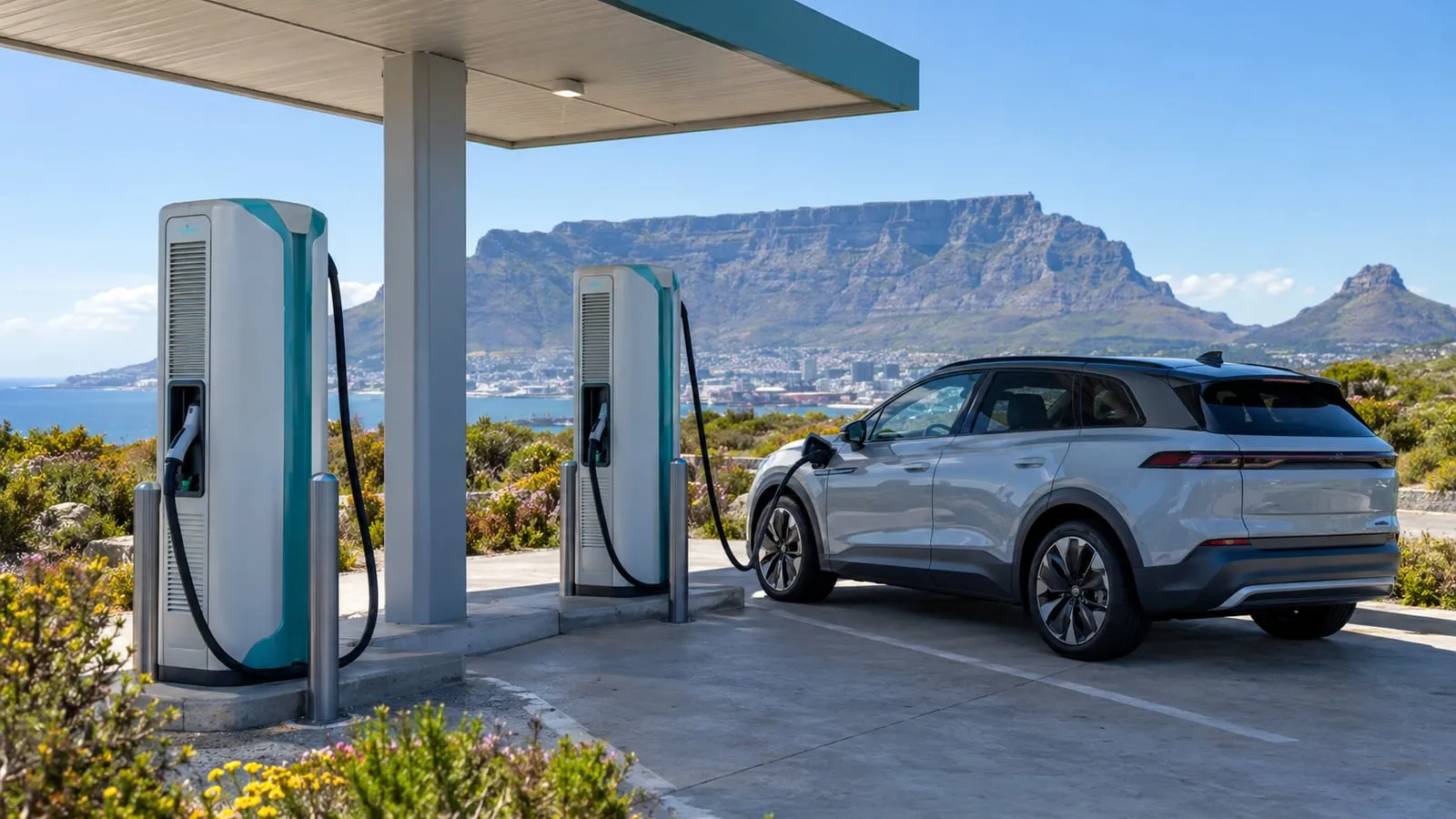
South Africa’s main routes are long and many sites have limited grid capacity. That makes solar-plus-storage charging stations a practical model, not just a green one: the battery supplies the high power for fast charging while the grid or solar refills it slowly.
Designing for grid limits
| Situation | Approach |
|---|---|
| Limited capacity at the site | Load management; dual-connector DC sharing one supply; lower-power DC (60–120 kW) |
| Interruptions in supply | Chargers that restart sessions automatically after power returns; UPS for the back-end connection |
| Weak rural networks | Wide input-voltage tolerance; battery buffer |
| High daytime sun | Solar canopies feeding the site; batteries for evening peaks |
| Off-grid corridor sites | Solar + battery sized for daily energy, with DC chargers drawing from the battery system |
Ask your supplier how the charger behaves after a power cut: does a session resume, does the charger reconnect to the back end, and are logs kept? These details matter more in South Africa than in most markets.
Climate
| Region | What to specify |
|---|---|
| Highveld (Johannesburg, Pretoria) | Frequent summer thunderstorms: surge protection and good earthing |
| Northern Cape and Karoo | Heat, sun and dust: derating curve, UV-stable housings, filters |
| Coast (Cape Town, Durban, Gqeberha) | Salt air and wind: corrosion-resistant finish, stainless fixings |
| Mountain passes on the N3 | Cold winter nights: low-temperature operation |
Recommended configurations
| Site | Typical choice |
|---|---|
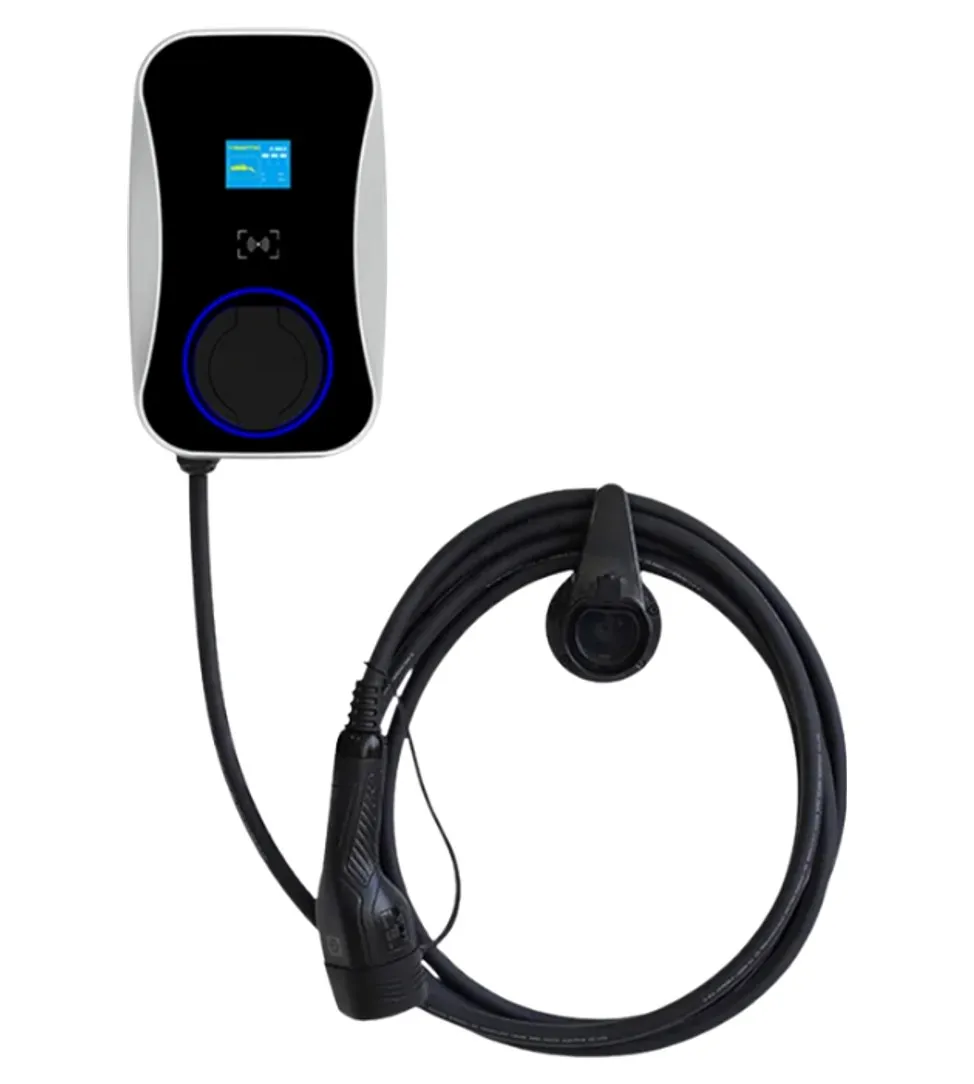
| Homes and estates | 7 kW single-phase or 11–22 kW three-phase wallbox, Type 2; load management on estate supplies |
| Offices and shopping centres | Dual-port AC posts; 60–120 kW DC near entrances |
| Highway fuel stations | 120–180 kW dual-connector DC; solar canopy and battery where the grid is weak |
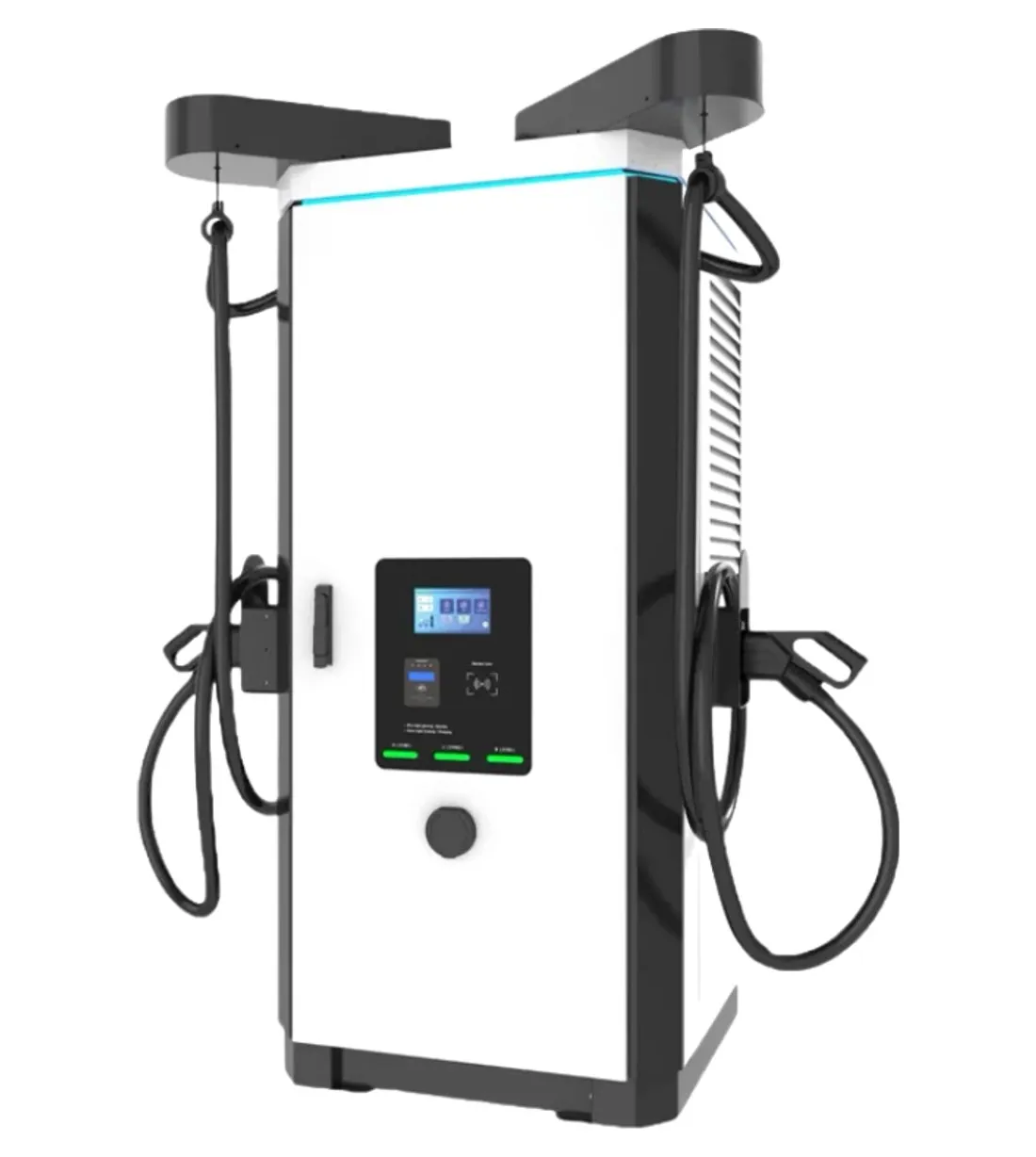
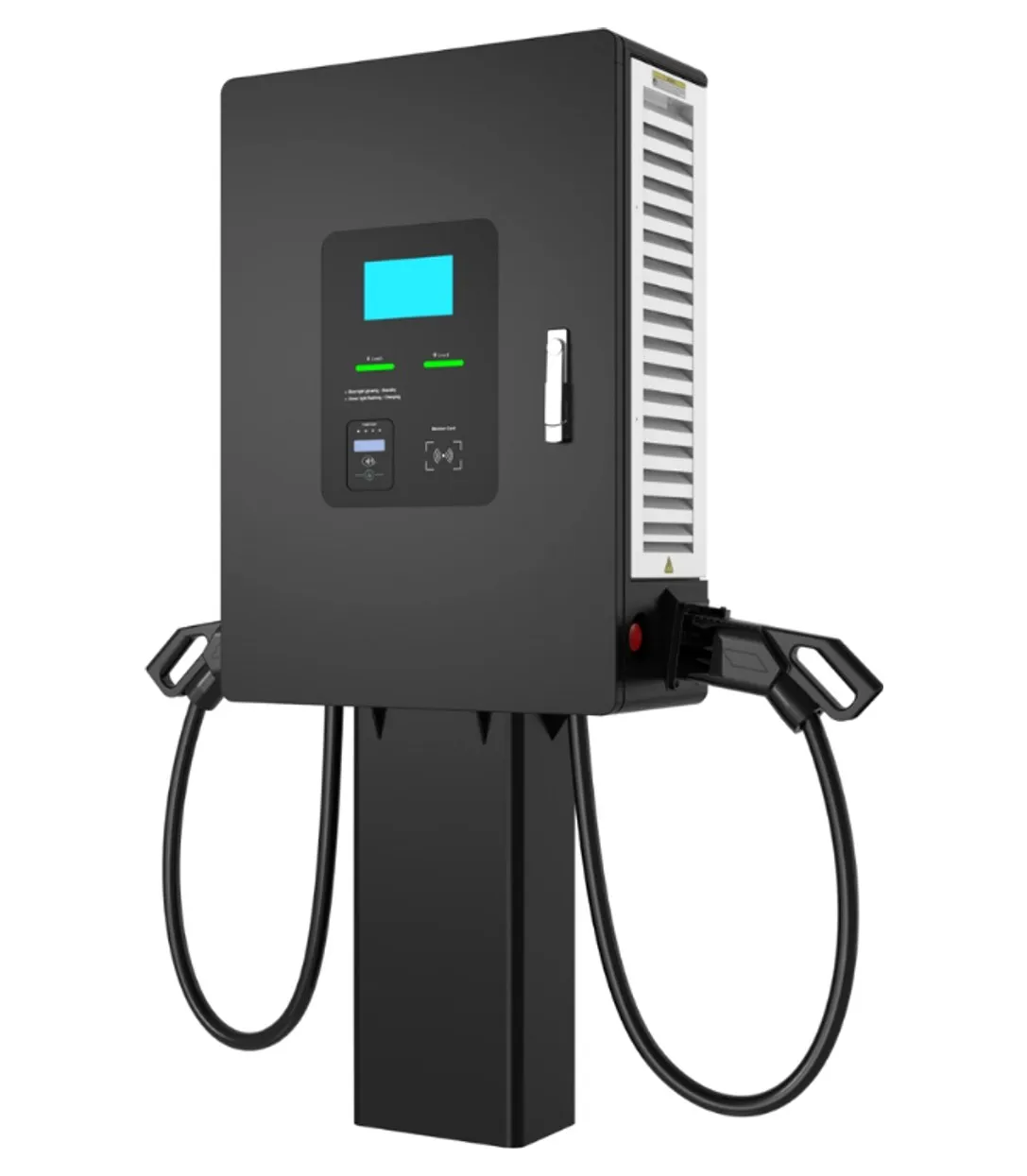
| Fleet depots and mines | DC wallboxes or dual DC sized by daily energy; rugged enclosures |
| Remote and temporary sites | Mobile DC charger |
Where VULTAE fits. Our IEC series run on 230/400 V at 50/60 Hz up to +55 °C: VT-HW wallboxes, VT-CW and VT-CP dual-port AC chargers, VT-DW DC wallboxes (20–60 kW), VT-DF dual-connector DC chargers (60–300 kW) with dynamic power sharing, and the VT-DM mobile DC charger — Type 2 and CCS2, OCPP 1.6J / 2.0.1, surge protection and a C4 anti-corrosion option. The NRCS letter of authority is held by the South African importer for a specific model; we provide the IEC test reports and technical documents.
Checklist before you order
- NRCS route for the exact model — compulsory specification, accredited laboratory, importer registration.
- Installation to SANS 10142-1 with a certificate of compliance.
- Supply capacity and connection with Eskom or the municipality.
- Type 2 and CCS2 connectors.
- Behaviour after power cuts; surge protection; load management.
- Solar and battery options where the grid is weak.
- Spare parts and trained technicians in South Africa — see our spare-parts list.
Questions buyers ask
- Do EV chargers need NRCS approval in South Africa?
- Electrical and electronic apparatus covered by a compulsory specification needs a letter of authority (LOA) from the NRCS before import and sale. The importer registers, has the product tested by an accredited laboratory and applies for the LOA. Check with the NRCS or an approved agent which specification covers your exact charger model.
- Which wiring rules apply to EV charger installations?
- SANS 10142-1, the South African wiring code for low-voltage installations. A registered electrician installs the charger and issues a certificate of compliance for the installation.
- Which connectors are used in South Africa?
- Type 2 for AC charging and CCS2 for DC fast charging. Virtually all EVs on sale in South Africa use CCS2 at public DC stations.
- How do charging sites cope with grid problems in South Africa?
- By sizing for the available supply with load management, and increasingly by adding solar panels and batteries. Some new corridor stations are fully off-grid, powered by solar with battery storage.
References
- [1]NRCS letter of authority (LOA) — South Africa market access. TÜV Rheinland.
- [2]Are electric car chargers universal? What you need to know. CAR magazine.
- [3]Zero Carbon Charge aims for mid-year completion of N3 EV charging stations. Engineering News.
- [4]Off grid, on track: R100m boost for SA’s EV charging network. BizNews.
- [5]New electric car chargers for major South African highway. TopAuto.
- [6]Plug-in electric vehicles in South Africa. Wikipedia.