Solutions · Retail and shopping malls
EV Charging for Shopping Malls and Retail: Dwell Time, Footfall and Screen Revenue
How retailers and malls choose EV chargers by dwell time: AC for long visits, 60–180 kW DC for short stops, layout, payment and advertising screens.
- Prepared by
- VULTAE Engineering Team
- Published
- Reading time
- 3 min
- Sources
- —
At a glance
- Decide by
- How long visitors stay
- Supermarkets
- 60–180 kW DC
- Malls
- AC posts + a DC group
- Payment
- Card terminal, QR code, app
- Extra revenue
- 21″ advertising screen (DC)
- Location
- Near entrances, visible from the road
- Back end
- OCPP 1.6J / 2.0.1
- VULTAE series
- VT-CP · VT-DFC · VT-DF
Key takeaways
- 1Choose power by dwell time: a 20–40 minute shop calls for DC (60–180 kW), a 2–3 hour mall or cinema visit for AC posts, and most malls need both.
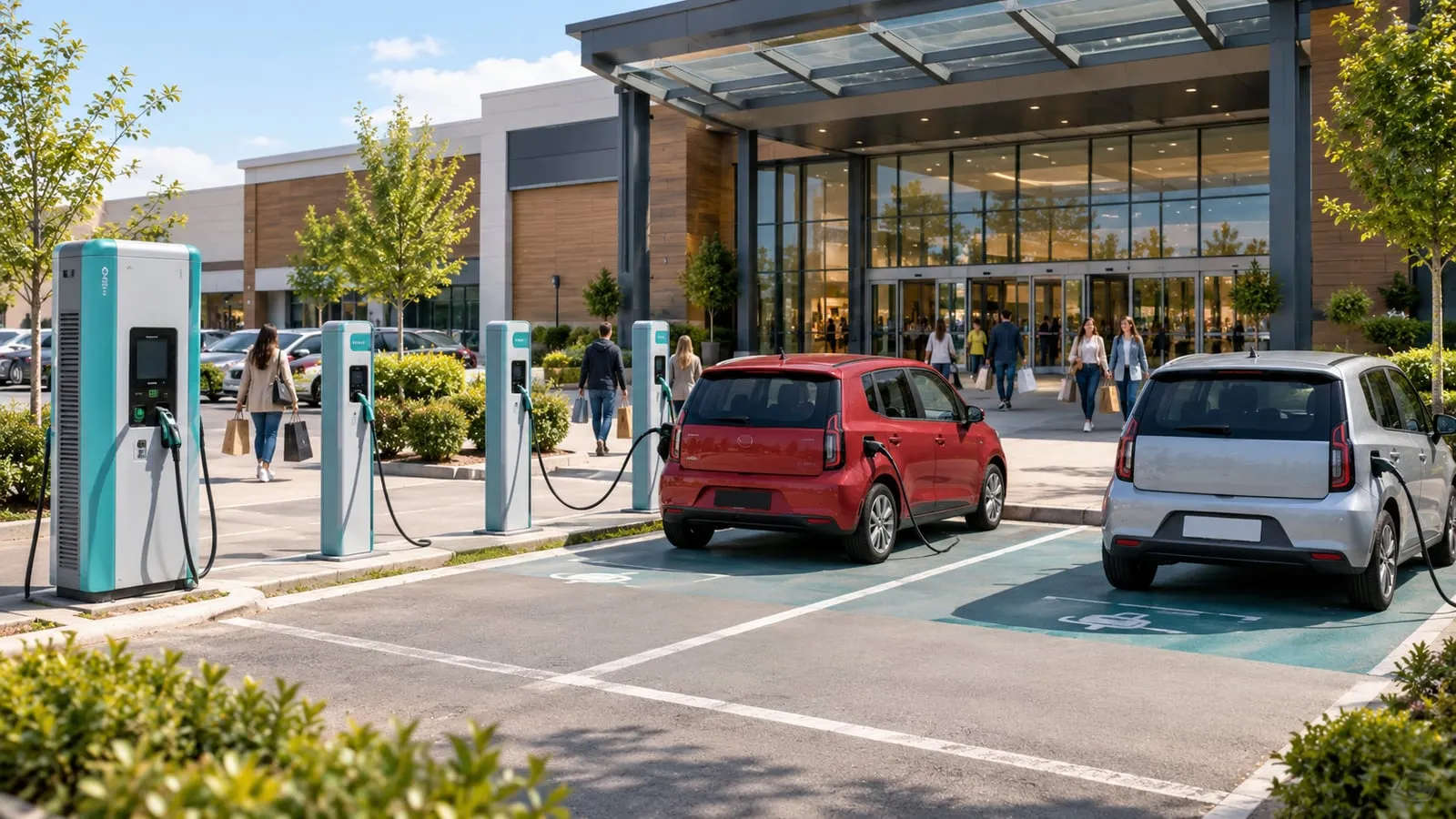
- 2Put chargers where they work as marketing: close to entrances and visible from the road, so they bring in drivers who would otherwise shop elsewhere.
- 3Public retail sites need open payment — card terminal or QR code without an app — and an OCPP back end so the retailer or a charging partner can set prices and track use.
- 4DC chargers with an advertising screen can earn media revenue for the retailer or its brands while cars charge.
Contents
Short answer: pick charger power by how long visitors stay. Supermarkets and convenience stores (20–40 minutes) need 60–180 kW DC; malls, cinemas and restaurants (2–3 hours) are well served by 7–22 kW AC posts, usually with a small DC group for short visits. Place chargers near entrances and visible from the road, offer card or QR-code payment without an app, connect them to an OCPP back end, and consider advertising screens on DC units for extra revenue.
Match power to dwell time
| Retail format | Typical visit | Recommended |
|---|---|---|
| Convenience store, drive-through | 10–20 min | 120–180 kW DC |
| Supermarket, DIY, fast food | 20–45 min | 60–120 kW DC |
| Shopping mall | 1–3 h | AC posts plus 2–4 DC points |
| Cinema, restaurant, leisure | 2–3 h | AC posts |
| Furniture and outlet centres | 1–2 h | AC posts plus 1–2 DC points |
Why retailers install chargers
- New customers: EV drivers choose where to stop by where they can charge.
- Longer visits: a driver waiting for a charge spends time in the store.
- Charging revenue: by kWh, by minute or by session — see how to price EV charging.
- Media revenue: advertising screens on DC chargers.
- Brand and sustainability goals: visible, measurable action.
Layout
| Do | Avoid |
|---|---|
| Bays near entrances, visible from the road | Corners at the back of the car park |
| Signs from the entrance to the bays | Unmarked bays that petrol cars occupy |
| Cables long enough for any inlet position (5–7 m) | Bays where a car must reverse awkwardly to reach the cable |
| Bollards or kerbs protecting DC units | Exposed units in driving lanes |
| Lighting and CCTV | Dark corners — evening users avoid them |
| Ducting to future bays | Digging up the car park twice |
Payment and back end
Public retail sites need open access: a driver should be able to pay without signing up. Typical options are a card terminal on the charger, a QR code to a web payment page, and RFID or app for regular customers. An OCPP 1.6J / 2.0.1 back end lets the retailer — or a charging partner who runs the site — set prices, offer loyalty discounts, and monitor uptime. See EV charger payment options.
Advertising screens
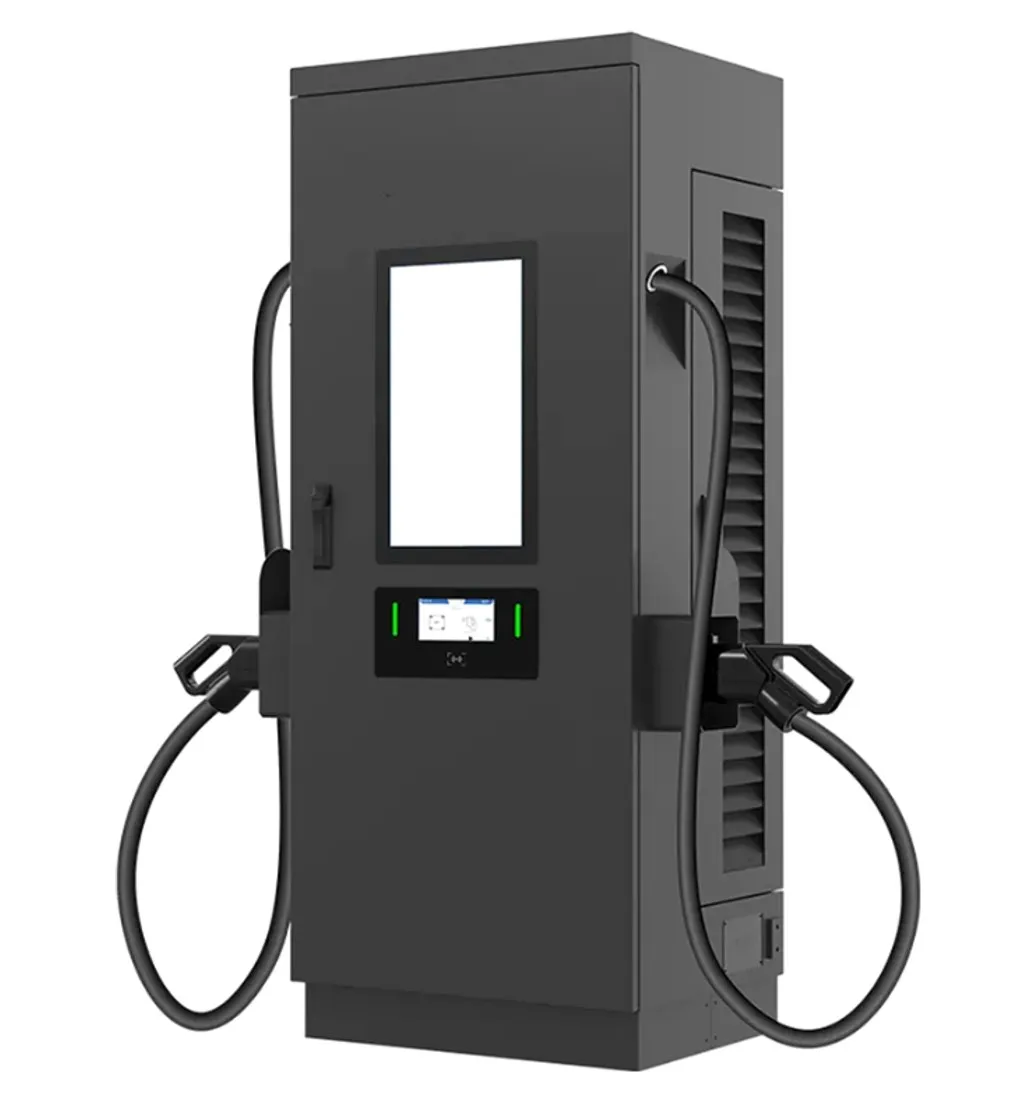
DC chargers with a 21-inch screen turn the charging bay into a digital signage point. Content is managed remotely; the retailer can promote in-store offers or sell the space to brands. See DC chargers with advertising screens.
Recommended VULTAE configuration
| Situation | Model |
|---|---|
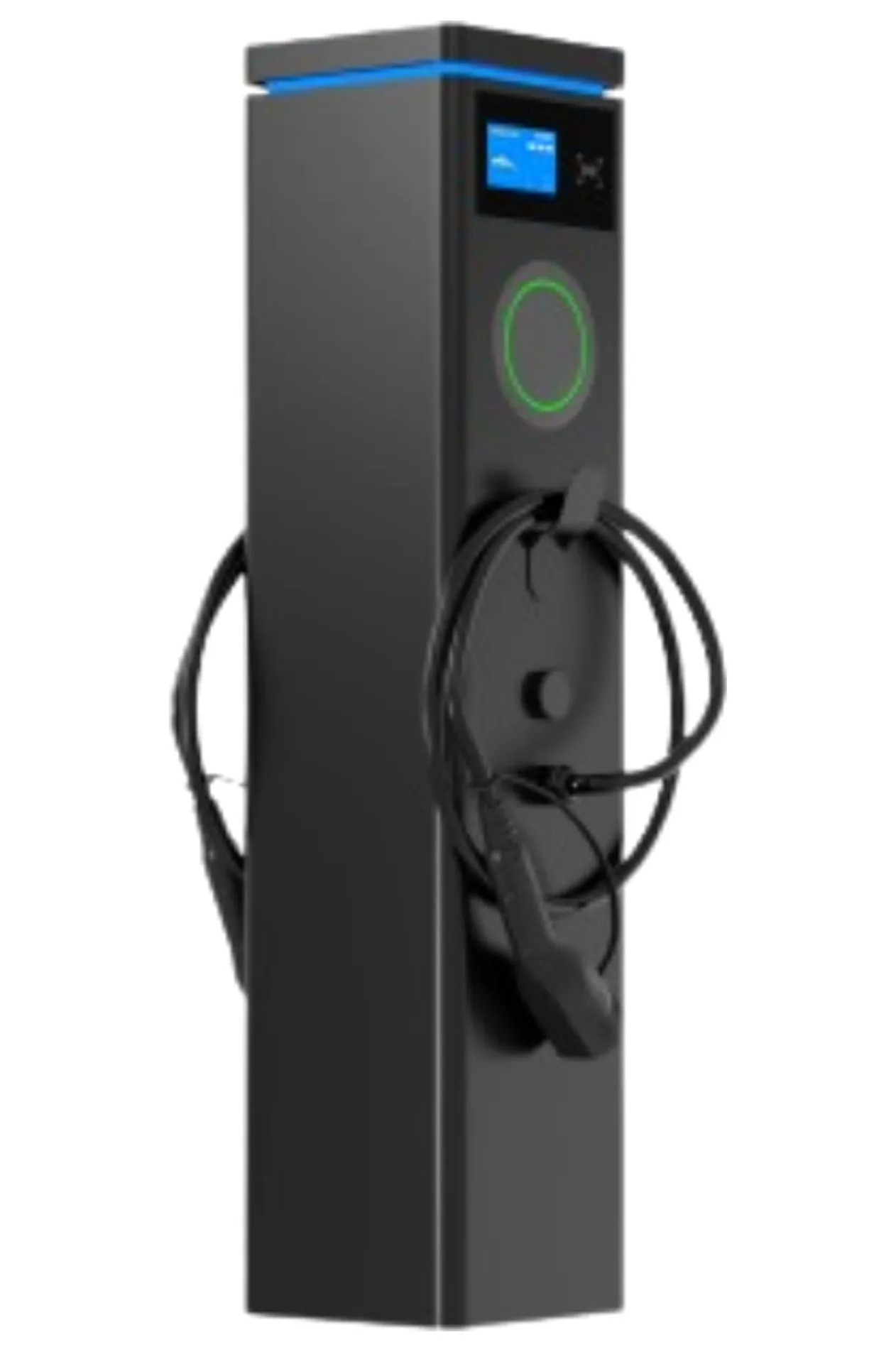
| Long visits, open car park | VT-CP dual-port AC pedestal, 2 × 7–22 kW, IP55 · IK10 |
| Short visits, limited space | VT-DFC compact DC charger, 120 or 180 kW, optional 21″ screen |
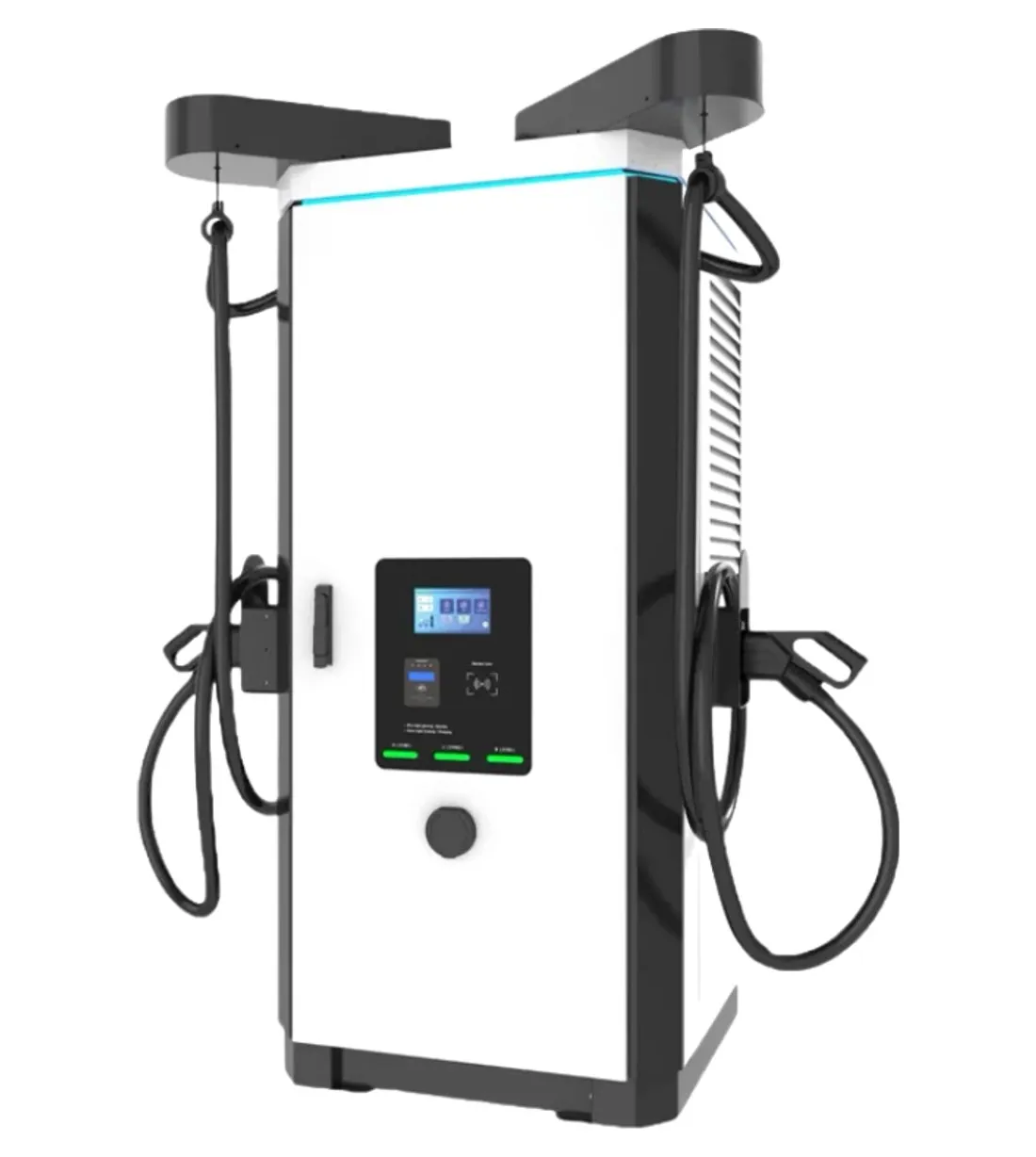
| High-traffic sites | VT-DF dual-connector DC charger, 60–300 kW (IEC) or up to 360 kW (North America), POS payment, 21″ screen option |
| Payment | POS card terminal and QR code options; RFID; OCPP 1.6J / 2.0.1 |
Send us the store format, number of parking spaces near the entrance and the available supply, and we will propose an AC/DC mix.
Questions buyers ask
- Should a shopping mall install AC or DC chargers?
- Usually both. Visitors who stay two hours or more — cinema, restaurants, large malls — are well served by 7–22 kW AC posts. Shorter visits such as supermarkets and convenience stores need DC, typically 60–180 kW, to add meaningful range in 20–40 minutes.
- Where should chargers be placed in a retail car park?
- Near the entrances, in clearly marked bays that are visible from the road and from the store, with lighting and space for cables to reach any inlet. Visible chargers attract drivers; hidden ones are underused.
- How do drivers pay at retail chargers?
- Public sites should accept payment without a prior contract: a card terminal on the charger or a QR code to a web payment page, plus RFID or app for regular customers. Some retailers offer free or discounted charging to shoppers through their loyalty programme.
- Can EV chargers generate advertising revenue?
- Yes. DC chargers such as the VT-DFC and VT-DF are available with a 21-inch advertising screen. Drivers watch it while they charge, and the screen can be managed remotely as part of a digital signage network.