Solutions · Hotels
EV Charging for Hotels: Overnight AC, Valet Bays and Guest Billing
How hotels plan EV charging: overnight AC for guests, a DC unit for day visitors, valet bay layout, guest billing, power limits and charger choice.
- Prepared by
- VULTAE Engineering Team
- Published
- Reading time
- 3 min
- Sources
- —
At a glance
- Main need
- Full battery by morning
- Typical charger
- 2 × 7–22 kW dual-port AC
- Day visitors
- One 30–60 kW DC unit
- Ratio to start
- 1 charging point per 10–20 rooms
- Access
- RFID cards at reception or QR code
- Billing
- Free, flat fee, or per kWh on the room bill
- Power planning
- Load management across the car park
- VULTAE series
- VT-CP · VT-CW · VT-DW
Key takeaways
- 1Hotel guests park for 8–14 hours overnight, so 7–11 kW AC charging fills almost any battery by breakfast. Fast DC is only needed for restaurant, spa and conference visitors who stay one or two hours.
- 2Dual-port posts or wall units halve the number of devices and foundations; load management lets 10–20 charging points share a supply sized for far fewer.
- 3Decide early how guests get access and pay: free as a perk, a flat overnight fee, or per kWh added to the room bill via RFID cards handed out at reception.
- 4Plan the layout around operations: valet-operated bays near the entrance, cables long enough for any inlet position, and charging bays that are not blocked by luggage drop-off.
Contents
Short answer: hotels need mostly overnight AC charging: dual-port posts or wall units at 7–11 kW per car fill almost any battery by morning. Start with one charging point per 10–20 rooms, share the supply with load management, and add one 30–60 kW DC charger only if many visitors stay just an hour or two. Decide early how guests get access and pay — free, flat fee, or per kWh on the room bill.
Match the charger to how long cars stay
| Visitor | Typical stay | Energy needed | Charger |
|---|---|---|---|
| Overnight guest | 8–14 hours | Up to a full battery | 7–11 kW AC (22 kW only where cars accept it) |
| Conference or event guest | 4–8 hours | Half a battery | 7–22 kW AC |
| Restaurant, spa, day visitor | 1–3 hours | A top-up for the trip home | 30–60 kW DC |
| Hotel shuttle or fleet car | Between trips | Depends on the schedule | DC wallbox or a dedicated AC point |
Most cars charge on AC at 7 or 11 kW; only some accept 22 kW. That is why a 22 kW dual-port charger on a hotel car park is best seen as flexible capacity: two cars at 11 kW each, or one at a higher rate where the car allows it.
Plan the car park in phases
| Phase | What to install | Why |
|---|---|---|
| 1 — Now | Dual-port AC posts for the first 4–10 bays near the entrance, one DC unit if day visitors justify it | Serve current demand; visible to arriving guests |
| 2 — Ducting | Empty ducts and cable routes to more bays while the ground is open | Cheap during construction, expensive later |
| 3 — Grow | More posts on the same load-management group | Add points without upgrading the supply |
Dual-port units halve the number of devices, foundations and cable runs. Wall-mounted dual units suit underground garages; pedestals suit open car parks and valet areas.
Power: share it rather than oversize it
A hotel’s own peak load — kitchens, laundry, air-conditioning — leaves limited spare capacity. Dynamic load management measures the building load and divides what is left between the chargers, so 10 or 20 points can share a supply sized for far fewer. Cars charging overnight rarely notice: even 4–5 kW each over 10 hours is 40–50 kWh, enough for most guests. See dynamic load management.
Access and billing
| Model | How it works | Best for |
|---|---|---|
| Free for guests | Chargers open or RFID cards at reception | Upscale and resort hotels using charging as a perk |
| Flat overnight fee | Fixed price added at check-out | Simple; no metering by guest needed |
| Per kWh on the room bill | RFID card linked to the room via the OCPP back end | Business hotels, fair pricing |
| Pay as you go | QR code or card terminal | Non-guests, restaurant and spa visitors |
An OCPP 1.6J or 2.0.1 connection lets the hotel or its charging partner manage access, prices and reports without changing hardware. Where energy is sold by the kWh, check local rules on metering for billing — see how to price EV charging.
Layout and operations
- Valet bays next to the entrance with chargers the valet team can operate; tethered cables long enough (5–7 m) to reach inlets at the front, side or rear.
- Keep charging bays clear of luggage drop-off and coach parking.
- Signage and rules: how long a car may stay, what happens when it is full, who to call.
- Lighting and CCTV at the bays for guest safety.
- Accessible bays with chargers reachable from a wheelchair — see accessible EV charging bays.
- Resorts and coastal sites: corrosion-resistant finish and IP55 housings.
Recommended VULTAE configuration
| Situation | Model |
|---|---|
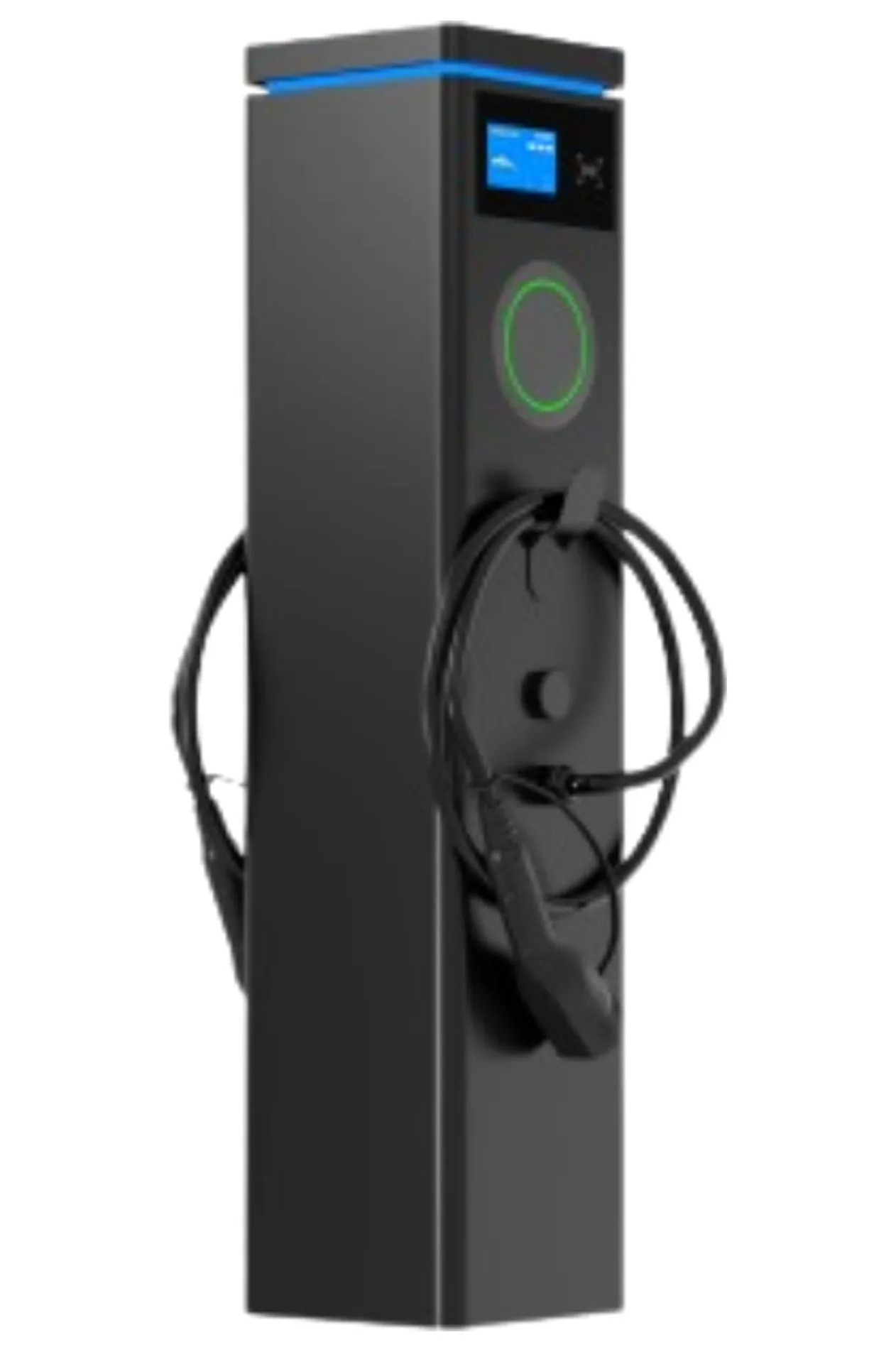
| Open car park or valet area | VT-CP dual-port AC pedestal, 2 × 7–22 kW, IP55 · IK10, RFID, OCPP |
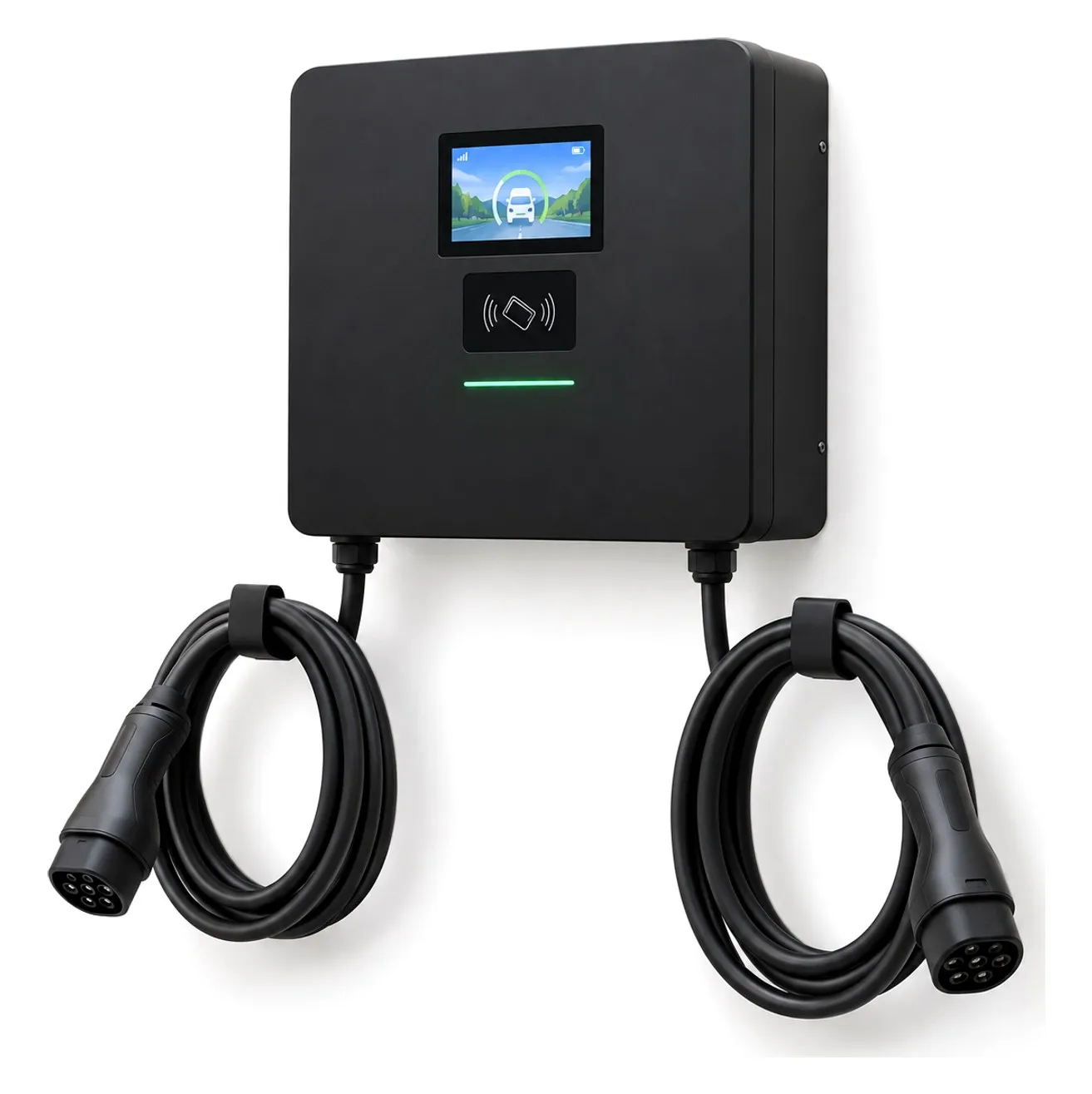
| Underground garage | VT-CW dual-port wall charger, 2 × 7–22 kW |
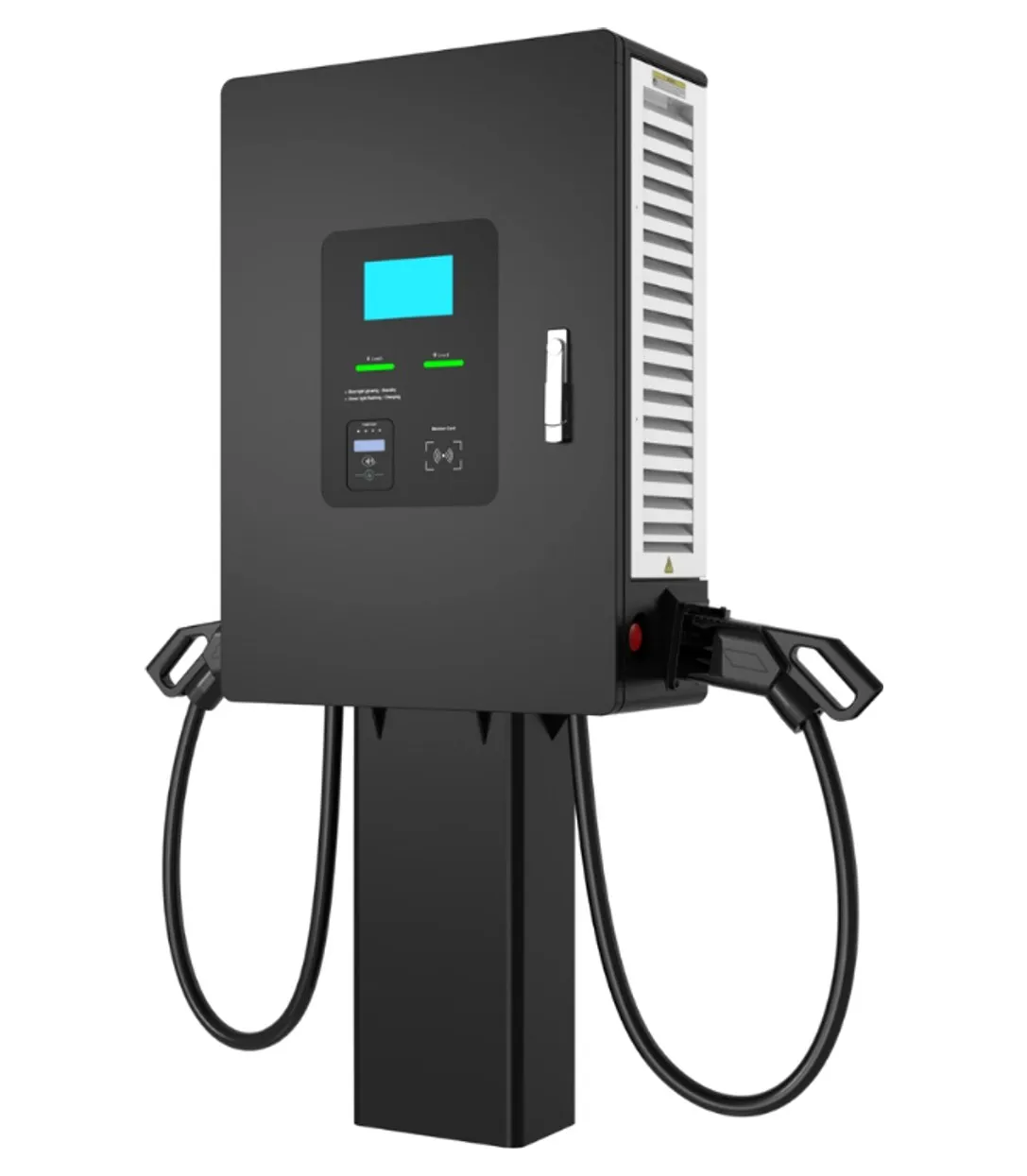
| Day visitors, shuttle vehicles | VT-DW DC wallbox, 20–60 kW |
| Hotels in North America | VT-HW North American wallboxes, 32–48 A, J1772 |
Send us the number of rooms, parking bays and the spare capacity of your supply, and we will propose a phased layout with the right number of points.
Questions buyers ask
- How many EV chargers does a hotel need?
- A practical start is one charging point for every 10–20 rooms in the car park, using dual-port units so each device serves two bays, and enough ducting to add more later. Increase the ratio if the hotel serves business travellers, rental cars or a market with many EVs.
- Should a hotel install AC or DC chargers?
- Mainly AC. Overnight guests have plenty of time, and 7–11 kW fills most batteries by morning. Add one 30–60 kW DC charger if the hotel has many short-stay visitors to its restaurant, spa or meeting rooms.
- How can a hotel charge guests for EV charging?
- Common options are free charging as a guest perk, a flat overnight fee, or billing per kWh. With an OCPP back end, RFID cards issued at reception can be linked to the room so the energy appears on the bill; QR-code payment suits non-guests.
- Can our existing electrical supply handle EV chargers?
- Often yes, for a first phase, with load management. The chargers share whatever capacity is left after the hotel’s own peak load, and slow down rather than tripping the supply. Your electrician measures the spare capacity first.