Country guide · New Zealand
EV Chargers in New Zealand: WorkSafe Guidelines, AS/NZS 3000 and the 2030 Network Target
Supplying EV chargers to New Zealand: WorkSafe guidelines, AS/NZS 3000, Type 2, CCS2 and CHAdeMO, co-funding and the 10,000-charger 2030 target.
- Prepared by
- VULTAE Engineering Team
- Published
- Reading time
- 4 min
- Sources
- 6 references
At a glance
- Grid supply
- 230 / 400 V, 50 Hz
- Connectors
- Type 2 · CCS2 · CHAdeMO (legacy)
- Installation
- AS/NZS 3000 + WorkSafe EV guidelines
- Product safety
- Electricity (Safety) Regulations
- Public charge points
- Just over 1,800 (March 2026)
- Co-funded build-out
- 2,574 new points (1,374 DC)
- 2030 target
- 10,000 public charge points
- New garages
- EV charging provision required
Key takeaways
- 1New Zealand installations follow AS/NZS 3000 and WorkSafe Energy Safety’s Electric Vehicle Charging Safety Guidelines (3rd edition, with an addendum in January 2026). Since AS/NZS 3000:2018 Amendment 3 was cited, new homes with enclosed garages must include provision for EV charging.
- 2The public network is small but about to grow fast: just over 1,800 public charge points in March 2026, plus 2,574 new co-funded points — 1,374 of them DC — and a government target of 10,000 by 2030.
- 3Type 2 and CCS2 are the standard for new vehicles and sites, but New Zealand’s large fleet of imported used Nissan Leafs keeps CHAdeMO in demand at public DC sites.
- 4Distances between towns, hills and coastal weather favour reliable dual-connector DC chargers with remote monitoring and corrosion protection.
Contents
Short answer: chargers for New Zealand run on 230/400 V at 50 Hz and are installed to AS/NZS 3000 and WorkSafe’s EV Charging Safety Guidelines. Use Type 2 for AC and CCS2 for DC, and add CHAdeMO at public DC sites — New Zealand’s many imported used Nissan Leafs still need it. The public network is small but growing quickly with government co-funding, towards a target of 10,000 public charge points by 2030.
For distributors, electricians, councils, tourism operators and charge point operators supplying New Zealand. It summarises public information as of October 2026 — confirm current requirements with WorkSafe and your lines company before you sign.
Rules that apply
| Topic | Rule | Note |
|---|---|---|
| Electrical installation | AS/NZS 3000 wiring rules | Licensed electrical workers |
| EV-specific guidance | WorkSafe Energy Safety — Electric Vehicle Charging Safety Guidelines, 3rd edition | Addendum issued January 2026 |
| New homes | AS/NZS 3000:2018 including Amendment 3, as cited | Provision for EV charging in new homes with enclosed garages |
| Product safety | Electricity (Safety) Regulations | Supplier holds evidence of compliance for the exact model |
| Grid connection | The local lines company (distribution network) | Capacity and connection for DC sites |
WorkSafe’s guidelines cover the choice of charging mode, protection (including residual-current protection with DC fault detection), installation location and the use of socket-outlets for occasional charging. Ask your supplier for test reports that show compliance with the IEC 61851 series and the RCD requirements — see Type B RCDs and 6 mA DC detection.
A network about to double
| Item | Detail |
|---|---|
| Public charge points, March 2026 | Just over 1,800 |
| Co-funding deal (March 2026) | $52.7 million in zero-interest government loans plus $60 million from ChargeNet and Meridian Energy |
| New points from the deal | 2,574: 1,374 DC fast chargers and 1,200 AC chargers |
| Second loan round | About $21 million for charge point operators’ site portfolios |
| 2030 target | 10,000 public charge points |
For suppliers, this means a wave of DC fast-charging sites in towns and along state highways and AC destination charging at tourism sites, councils and businesses over the next few years.
Connectors: CCS2 plus CHAdeMO
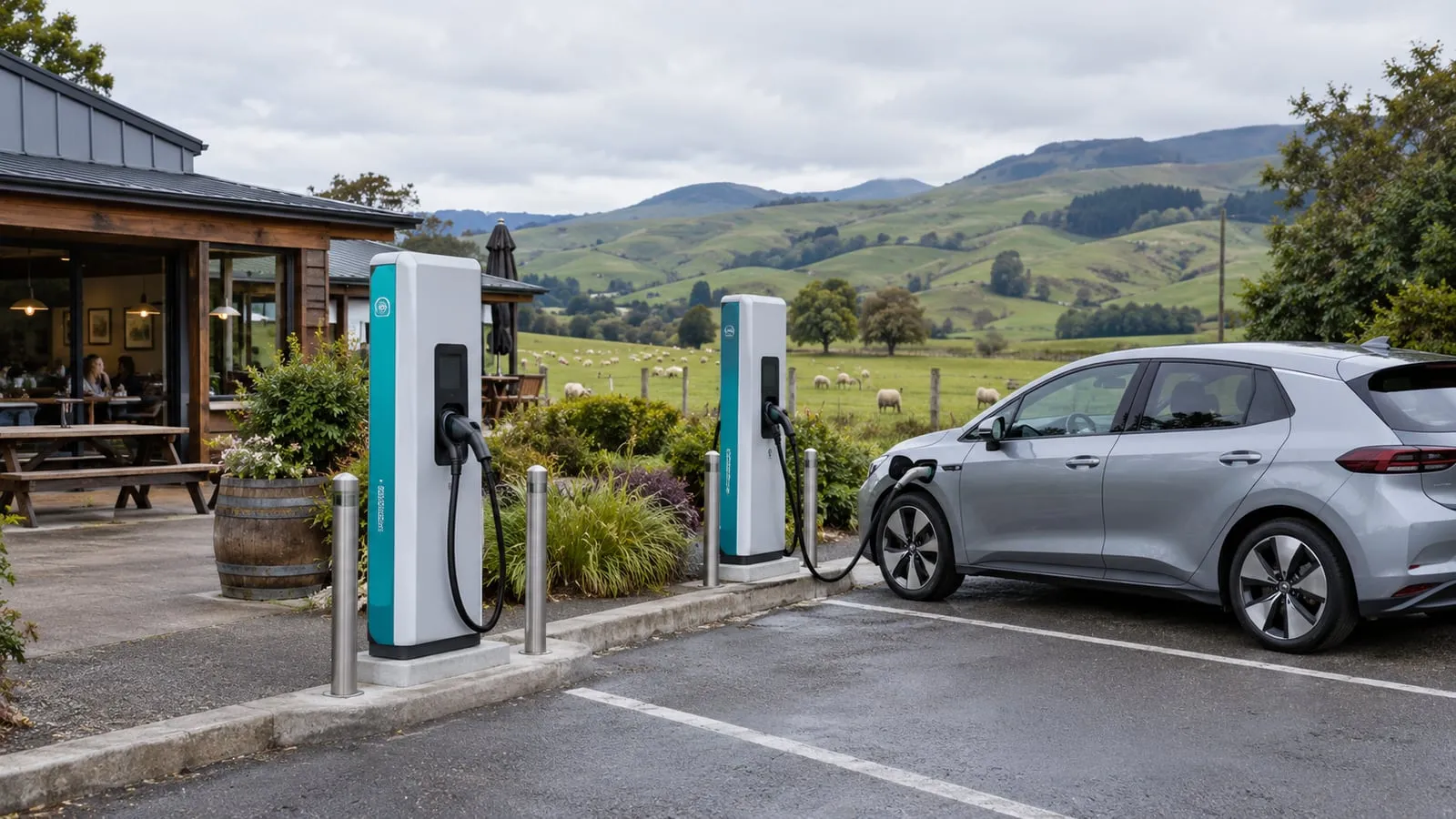
New vehicles sold in New Zealand use Type 2 for AC and CCS2 for DC. But New Zealand imported many used Japanese EVs, especially the Nissan Leaf, which charge by CHAdeMO. At public DC sites, a dual-connector charger with CCS2 + CHAdeMO serves both groups from one cabinet. See connector types by region.
Distance, hills and weather
| Condition | What to specify |
|---|---|
| Long gaps between towns in rural areas | Reliability, remote monitoring and spare parts in the region — see uptime |
| Coastal sites | Corrosion-resistant finish, stainless fixings |
| Wind and heavy rain on the West Coast | IP54+ housings; cable holsters; anchoring |
| Cold winters inland (Central Otago, central plateau) | Low-temperature operation and cable flexibility in the cold |
| Weak rural lines | Load management; 60–120 kW DC rather than very high power |
Recommended configurations
| Site | Typical choice |
|---|---|
| Homes | 7 kW single-phase or 11–22 kW three-phase wallbox, Type 2 |
| Councils, tourism and hospitality | Dual-port AC posts plus a 60–120 kW DC unit |
| State highway towns | 120–180 kW dual-connector DC, CCS2 + CHAdeMO |
| Fleets | DC wallboxes (20–60 kW) or 120 kW dual DC at depots |
| Apartments and workplaces | Load-managed wallboxes with RFID and OCPP |
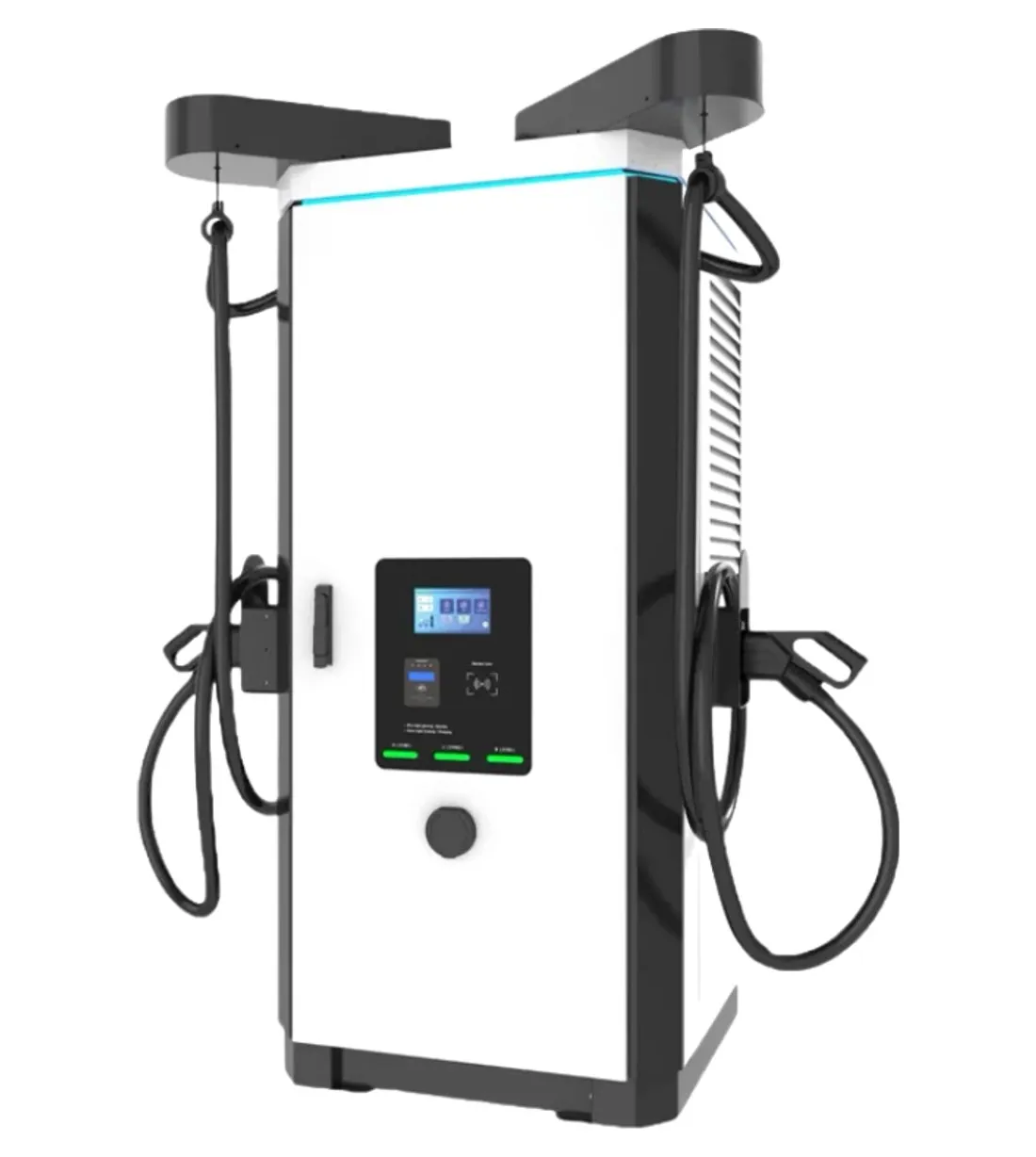
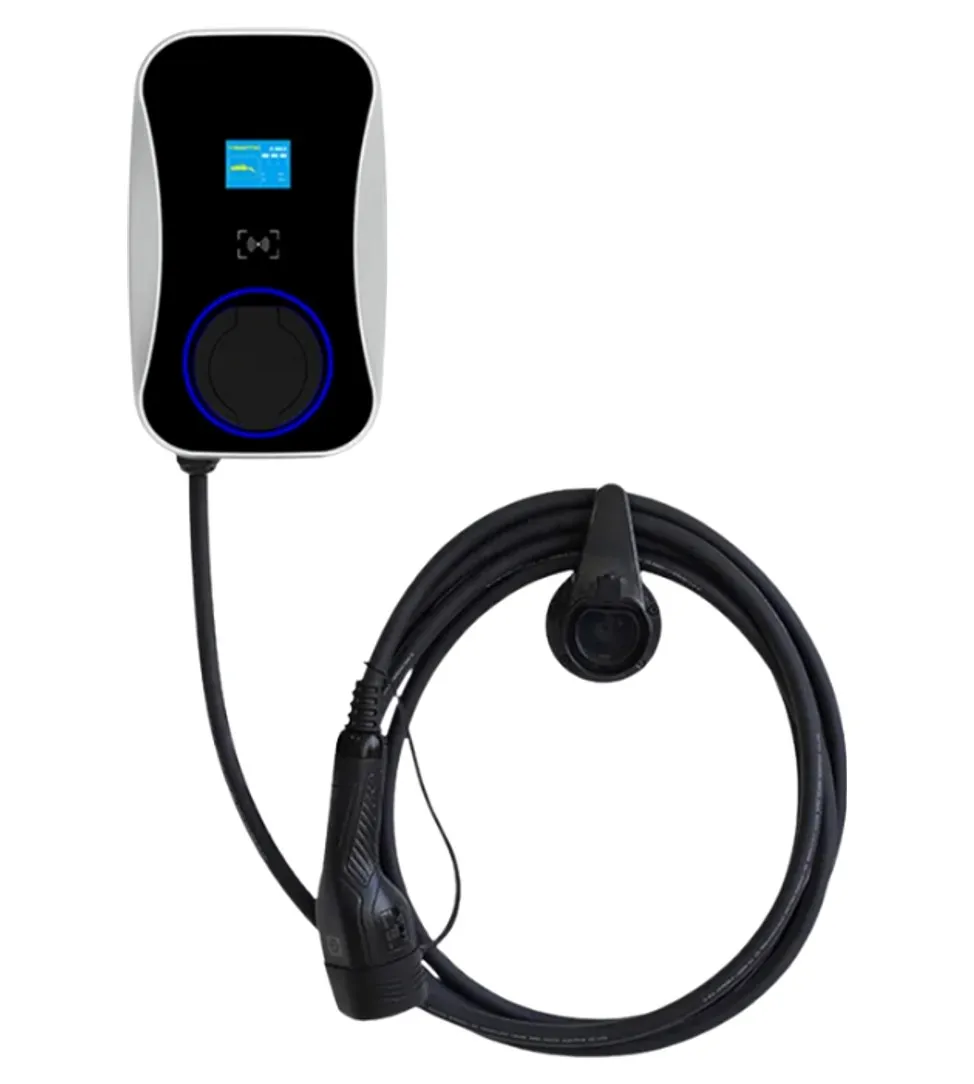
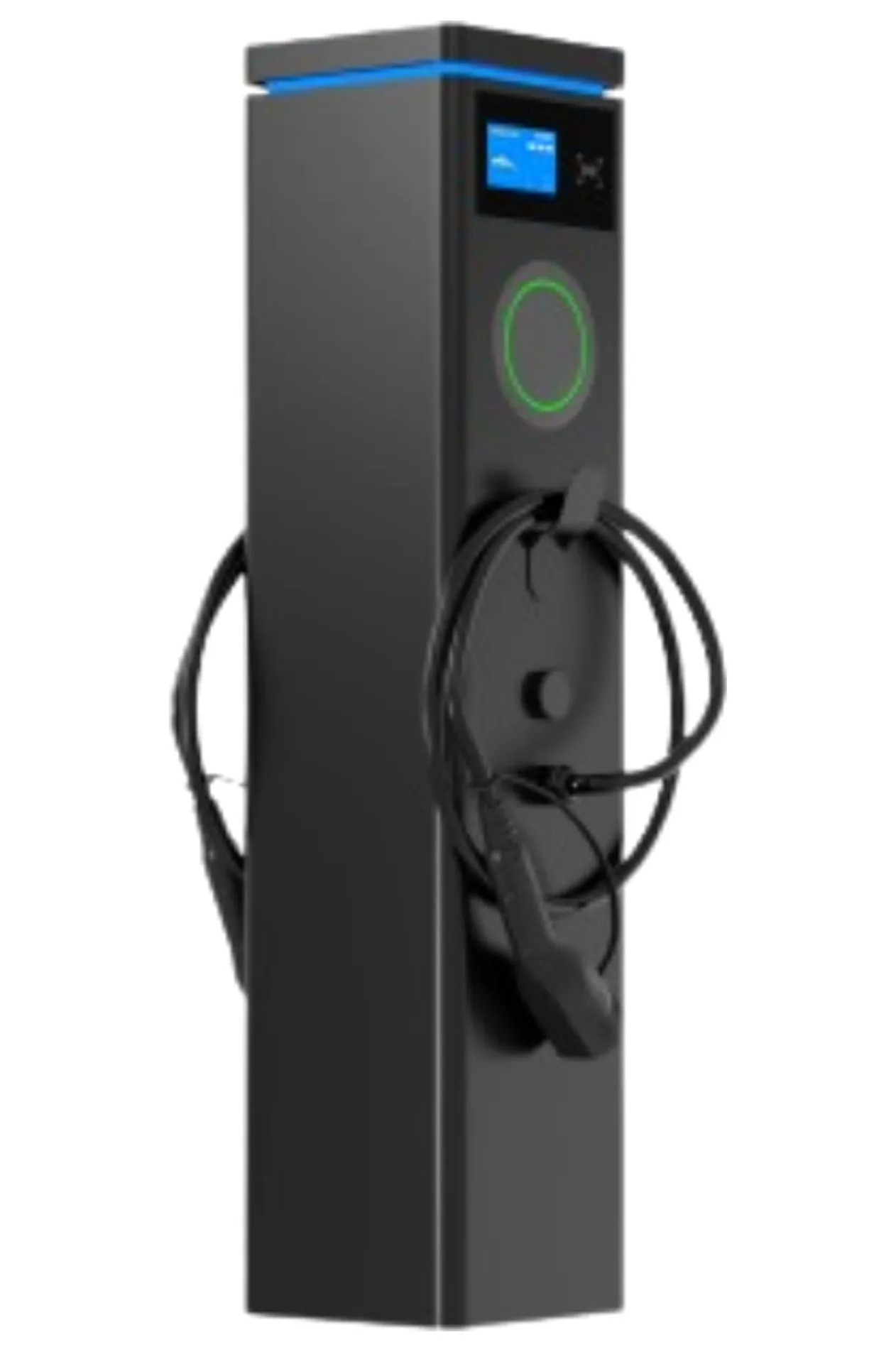
Where VULTAE fits. Our IEC series run on 230/400 V, 50/60 Hz and operate up to +55 °C: VT-HW wallboxes, VT-CW and VT-CP dual-port AC chargers, VT-DW DC wallboxes, and VT-DF dual-connector DC chargers with CCS2 + CHAdeMO options for public sites — OCPP 1.6J / 2.0.1, remote monitoring and a C4 anti-corrosion finish. We provide the IEC test reports and documents for the exact model your New Zealand supplier needs.
Checklist before you order
- Compliance evidence for the exact model under New Zealand’s electrical safety regulations.
- Installation to AS/NZS 3000 and the WorkSafe EV guidelines; RCD with DC fault detection.
- Capacity and connection with the local lines company.
- CCS2 and CHAdeMO at public DC sites; Type 2 for AC.
- Remote monitoring and regional spare parts.
- Funding: check whether the project fits the government co-funding rounds.
Questions buyers ask
- Which rules apply to EV charger installations in New Zealand?
- AS/NZS 3000 (the wiring rules) and WorkSafe Energy Safety’s Electric Vehicle Charging Safety Guidelines, currently the 3rd edition with an addendum issued in January 2026. Installations are carried out by licensed electrical workers.
- Do new homes in New Zealand need EV charging?
- New homes with enclosed garages must include provision for a dedicated EV charging facility, following the mandatory citation of AS/NZS 3000:2018 including Amendment 3.
- How many public EV chargers does New Zealand have?
- Just over 1,800 public charge points in March 2026. With projects under way and a co-funding deal for 2,574 more, the network is expected to reach about 4,550, and the government’s target is 10,000 by 2030.
- Should public DC chargers in New Zealand have CHAdeMO?
- Often, yes. New vehicles use CCS2, but New Zealand has many imported used Nissan Leafs and other CHAdeMO vehicles. A dual-connector DC charger with CCS2 and CHAdeMO serves both.
- Is there funding for public charging in New Zealand?
- Yes. In March 2026 the government announced $52.7 million in zero-interest loans alongside $60 million from ChargeNet and Meridian Energy for 2,574 new charge points, and a second loan round of about $21 million for charge point operators.
References
- [1]Electric vehicle charging safety guidelines, part 1 — safety fundamentals. WorkSafe New Zealand.
- [2]Electric vehicle charging safety guidelines, part 2 — selection and installation. WorkSafe New Zealand.
- [3]Addendum to Electric Vehicle Charging Safety Guidelines, 3rd edition. WorkSafe New Zealand.
- [4]EV charging facility will become mandatory for new domestic garages. Masterspec.
- [5]More than 2,500 new EV chargers to be rolled out in NZ. 1News.
- [6]New Zealand ramps up EV charging network. electrive.