Country guide · Australia
EV Chargers in Australia: RCM and EESS, NMI Trade Measurement, Smart-Charger Rules and Long-Distance Sites
Selling EV chargers in Australia: EESS registration and RCM, NMI 14/4/0 metering for paid charging, SA demand-response rules, AS/NZS 3000, Type 2 and CCS2.
- Prepared by
- VULTAE Engineering Team
- Published
- Reading time
- 5 min
- Sources
- 8 references
At a glance
- Grid supply
- 230 / 400 V, 50 Hz
- Connectors
- Type 2 (AC) · CCS2 (DC)
- Electrical safety
- EESS registration + RCM
- Paid charging
- NMI 14/4/0 (EVSE made from 1 Apr 2026)
- Installation
- AS/NZS 3000 + network SIRs, licensed electrician
- South Australia
- Demand-response capability since 1 Jul 2024
- Fast-charging locations
- 1,270+ with 3,400+ plugs (mid-2025)
- Climate
- Heat, UV, bushfire, cyclones, salt
Key takeaways
- 1Electrical equipment sold in Australia falls under the Electrical Equipment Safety System (EESS): the responsible supplier registers on the national database and the product carries the RCM mark. Higher-risk equipment needs a certificate of conformity based on accredited testing.
- 2If you sell charging by the kilowatt-hour, the charger is a measuring instrument: EVSE made on or after 1 April 2026 and used for trade must comply with the National Measurement Institute’s general certificate of approval NMI 14/4/0, including accuracy limits, marking and sealing.
- 3South Australia requires hard-wired chargers installed from 1 July 2024 to be demand-response capable and on the state’s compliance list — OCPP 1.6 is one accepted pathway. Other states and networks have their own rules in their service and installation rules.
- 4Distances are long and the climate is harsh: specify for 45 °C+ heat, strong UV and dust inland, cyclone wind regions in the north, and salt air on the coast.
Contents
Short answer: chargers for Australia run on 230/400 V at 50 Hz with Type 2 for AC and CCS2 for DC. The Australian supplier registers the product under the EESS and applies the RCM mark; if charging is sold by the kWh, chargers made from 1 April 2026 must also comply with NMI 14/4/0 trade-measurement rules. Installation follows AS/NZS 3000 and the network’s service and installation rules, and South Australia requires demand-response capability. Build for heat, UV, distance and — in the north — cyclones.
For distributors, installers, councils and charge point operators buying chargers for Australia. It summarises public information as of October 2026 — confirm current requirements with your state electrical regulator, the National Measurement Institute and your network before you sign.
Four layers of compliance
Australia has no single “EV charger licence”. Instead, four sets of rules stack up — and the last two catch out many overseas suppliers.
| Layer | Rule | Who is responsible |
|---|---|---|
| 1. Product safety | Electrical Equipment Safety System (EESS): registration on the national database, RCM mark, certificate of conformity for higher-risk equipment | The Australian responsible supplier (importer or brand owner) |
| 2. Installation | AS/NZS 3000 Wiring Rules, done by a licensed electrician | Installer |
| 3. Network connection | Each distribution network’s service and installation rules (SIRs): single-phase current limits, three-phase requirements, export and demand rules | Installer and site owner, with the network |
| 4. Trade measurement | NMI 14/4/0 for EVSE used to sell energy, made from 1 April 2026 | The business that marks the EVSE (manufacturer or brand owner) |
Trade measurement: NMI 14/4/0
Once a charger is used to sell electricity by the kWh, it is a measuring instrument under Australian law. The National Measurement Institute’s general certificate of approval NMI 14/4/0 sets what that means for EVSE made on or after 1 April 2026:
| Requirement | What it means in practice |
|---|---|
| Accuracy | The energy measurement must stay within the maximum permissible errors in the certificate |
| No misrepresentation | The calculated cost shown to the driver must match the measured energy and the price |
| Marking | The charger is marked as required by the certificate |
| Sealing | Metrological parts and settings are sealed against unauthorised changes |
| Responsibility | The person or business that marks the EVSE is responsible for compliance |
Ask the supplier which energy meter is fitted (and where it measures — AC input or DC output), its accuracy class and test evidence, and how the firmware protects the metering data. For DC chargers this is not trivial; see metering for paid charging.
Smart-charger rules: South Australia first
South Australia requires hard-wired chargers installed from 1 July 2024 to have demand-response capability and appear on the state’s equipment compliance list. Pathways include connection through OCPP 1.6 to an approved demand-response aggregator. Other states and networks address managed charging through their service and installation rules, and requirements are tightening — choose chargers with OCPP and remote power limits even where they are not yet compulsory.
The network: fast charging along long corridors
| Indicator | Detail | Source |
|---|---|---|
| Fast-charging locations | More than 1,270, with 3,400+ plugs (mid-2025), +20 % year-on-year | Electric Vehicle Council via Evee |
| By state, mid-2025 | NSW 357, Victoria 311, Queensland 235, South Australia 136, Western Australia 132 | Electric Vehicle Council via Evee |
| National priority | Highway fast charging is on Infrastructure Australia’s priority list | Infrastructure Australia |
Australia’s distances shape the equipment: regional sites are often hundreds of kilometres apart, so uptime and remote diagnostics matter more than peak power. A 120–180 kW charger that works every time beats a 350 kW charger waiting a week for a technician.
Climate and site
| Condition | What to specify |
|---|---|
| Inland heat above 45 °C and strong UV | Derating curve at your peak ambient; UV-stable housings and cables; shade structures |
| Dust in arid regions | IP54 minimum, accessible and cleanable filters on DC units |
| Cyclone wind regions (northern Queensland, NT, northern WA) | Plinths, anchoring and canopies designed for the site’s wind region by a local engineer |
| Bushfire-prone areas | Clearances and materials per local planning rules |
| Coastal sites | C4–C5 corrosion-resistant finish, stainless fixings |
| Tropical north | Humidity and condensation: anti-condensation heating in DC cabinets |
Recommended configurations
| Site | Typical choice |
|---|---|
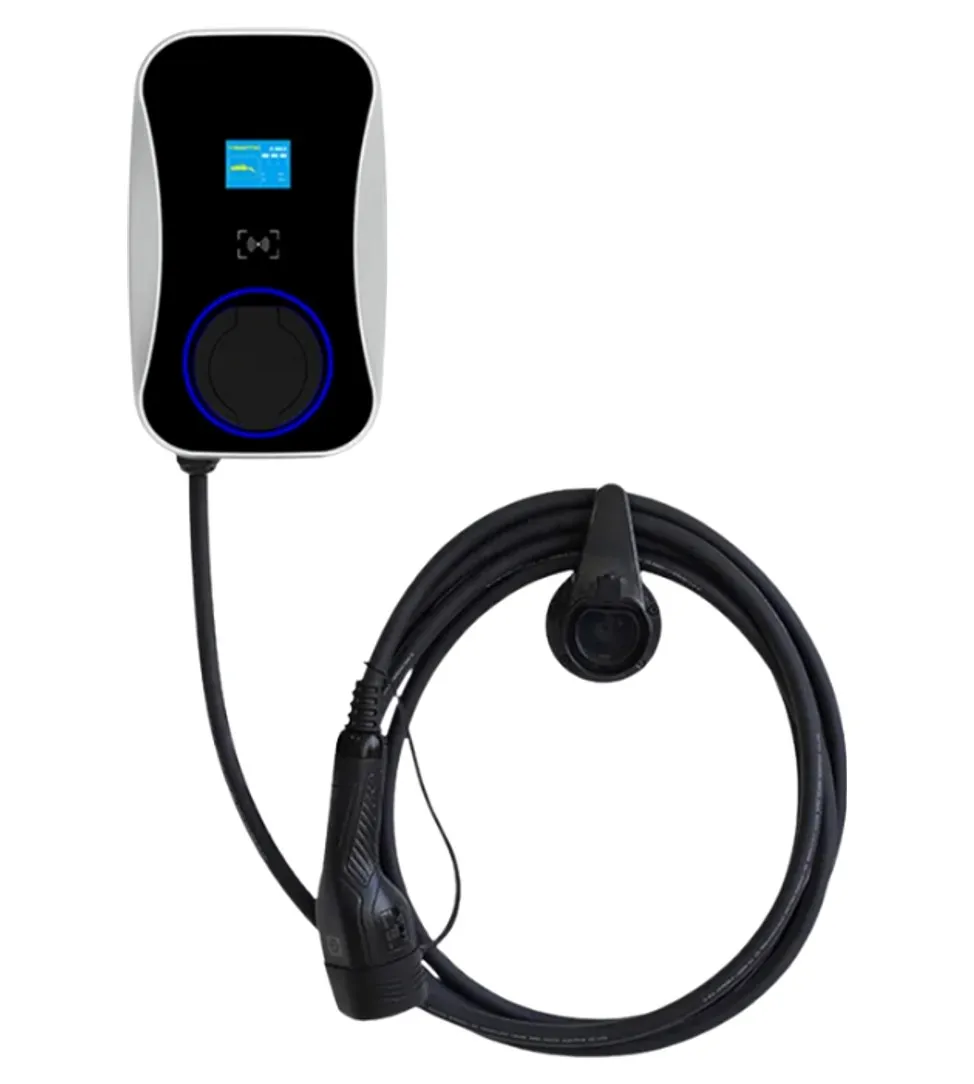
| Homes, single-phase | 7 kW wallbox, Type 2, within the network’s single-phase limit; smart functions where required |
| Homes and small business, three-phase | 11–22 kW wallbox |
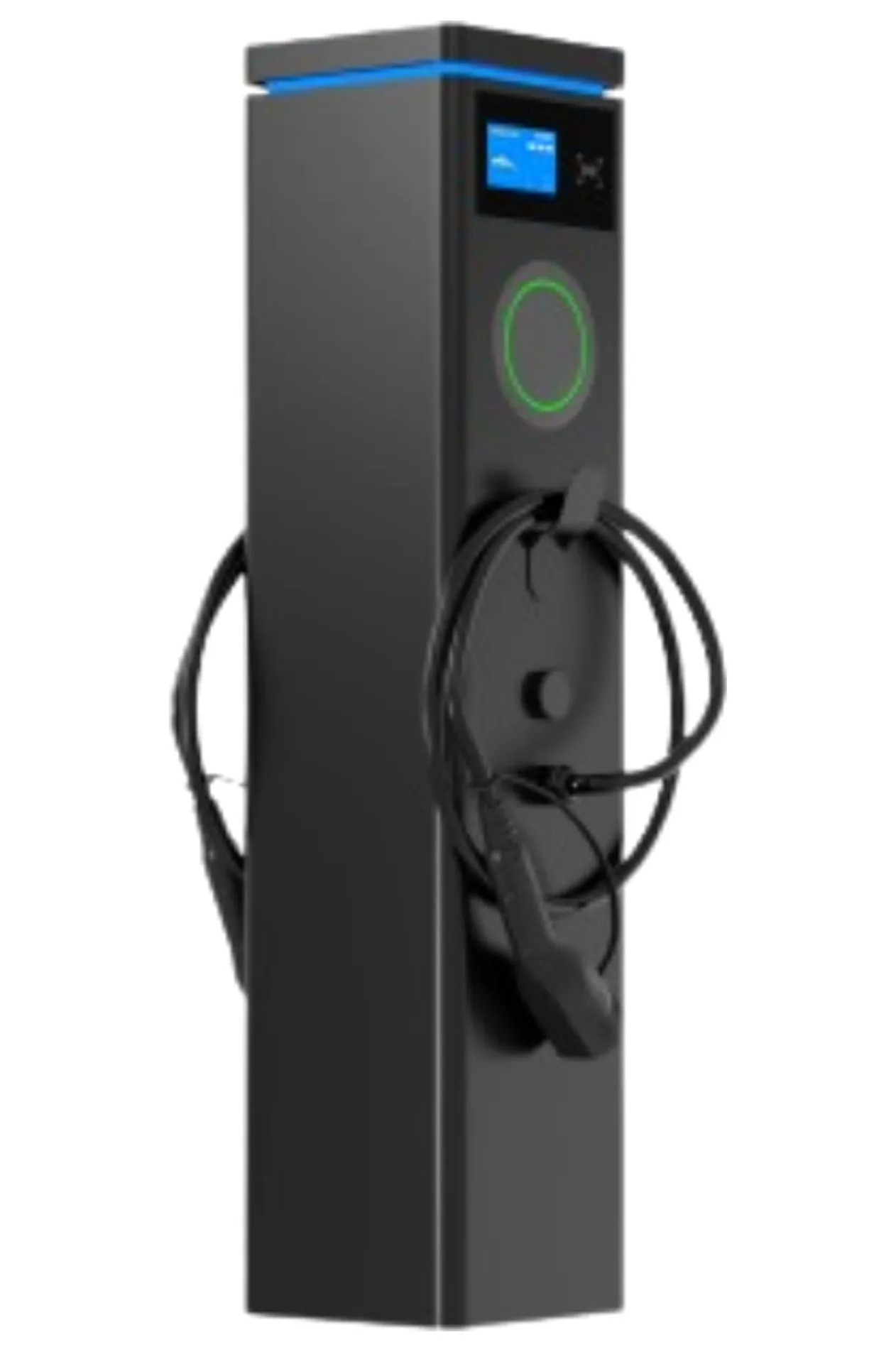
| Apartments | Load-managed wall units or dual-port AC with per-user billing |
| Councils, tourism and destinations | Dual-port AC posts plus a 60–120 kW DC unit |
| Regional highways and roadhouses | 120–180 kW dual-connector DC with remote monitoring and spare-parts stock nearby |
| Fleet depots | DC wallboxes (20–60 kW) or 120 kW dual DC; load management on the site supply |
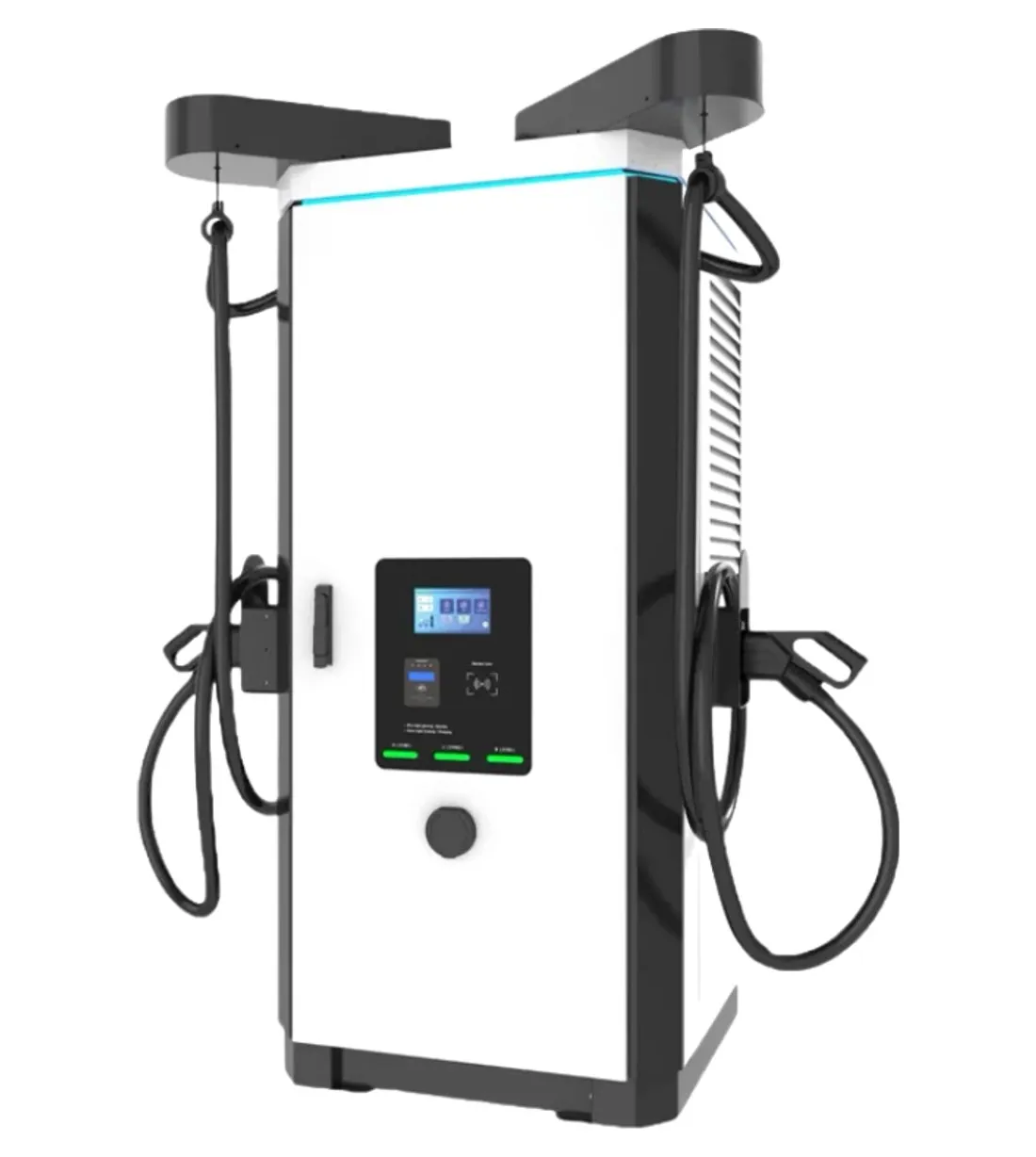
Where VULTAE fits. Our IEC series are built for 230/400 V, 50 Hz and operate up to +55 °C: the VT-HW wallbox for homes, VT-CW and VT-CP dual-port AC chargers for apartments and destinations, VT-DW DC wallboxes for depots, and VT-DFC and VT-DF dual-connector DC chargers for highway sites, with Type 2 and CCS2, OCPP 1.6J / 2.0.1, remote power limits and a C4 anti-corrosion option. EESS registration and NMI 14/4/0 compliance are carried by the Australian supplier who marks the product; we provide IEC test reports, meter data and the technical file the registration needs.
Checklist before you order
- Who is the Australian responsible supplier, and is the EESS registration and RCM marking in place for the exact model?
- Will charging be sold by the kWh? Then the charger must comply with NMI 14/4/0 if made from 1 April 2026 — check meter, marking and sealing.
- The network’s service and installation rules for single-phase limits and three-phase supply.
- South Australia: on the compliance list and connected for demand response.
- Type 2 and CCS2; OCPP 1.6J or 2.0.1 with remote power control.
- Heat derating, UV, dust filters, cyclone design and corrosion class for the site.
- Remote monitoring and spare parts close to regional sites — see our spare-parts list.
Questions buyers ask
- Do EV chargers need RCM certification in Australia?
- Chargers sold in Australia must meet the Electrical Equipment Safety System (EESS). The Australian responsible supplier registers on the EESS national database, the product carries the RCM mark, and higher-risk equipment needs a certificate of conformity based on testing by an accredited laboratory. Check the risk level and the requirements for your exact product with the regulator in your state.
- What is NMI 14/4/0?
- It is the National Measurement Institute’s general certificate of approval for electric vehicle supply equipment. EVSE made on or after 1 April 2026 and used to sell charging by energy must comply with it: the energy measurement must meet the maximum permissible errors, the charger must be marked as required and sealed against unauthorised changes. The business that marks the EVSE is responsible for compliance.
- Do chargers in South Australia need demand response?
- Yes. South Australia requires new hard-wired EV chargers installed from 1 July 2024 to have demand-response capability and to be on the state’s equipment compliance list. Accepted pathways include OCPP 1.6 connection to an approved demand-response aggregator. Check the latest guideline from the Office of the Technical Regulator.
- Which connectors are used in Australia?
- Type 2 for AC and CCS2 for DC. Almost all new EVs sold in Australia use them, and public chargers are built around them; a few older sites also have CHAdeMO.
- How large is Australia’s fast-charging network?
- According to the Electric Vehicle Council, Australia had more than 1,270 fast-charging locations with more than 3,400 plugs by mid-2025, about 20 % more locations than a year earlier.
References
- [1]General certificate of approval NMI 14/4/0 — electric vehicle supply equipment (revision 2). National Measurement Institute.
- [2]Trade measurement policy for electric vehicle supply equipment. National Measurement Institute.
- [3]Electric vehicle supply equipment (EVSE) standards. Government of South Australia.
- [4]Technical standard for installation of EVSE (guideline V1.11). Office of the Technical Regulator.
- [5]Domestic EV charging: national and state regulations. Electric Vehicle Council.
- [6]Service and installation rules and EVs. Electric Vehicle Council.
- [7]State of charge: Australia’s EV charging networks in 2026. Evee.
- [8]National highway electric vehicle fast charging. Infrastructure Australia.