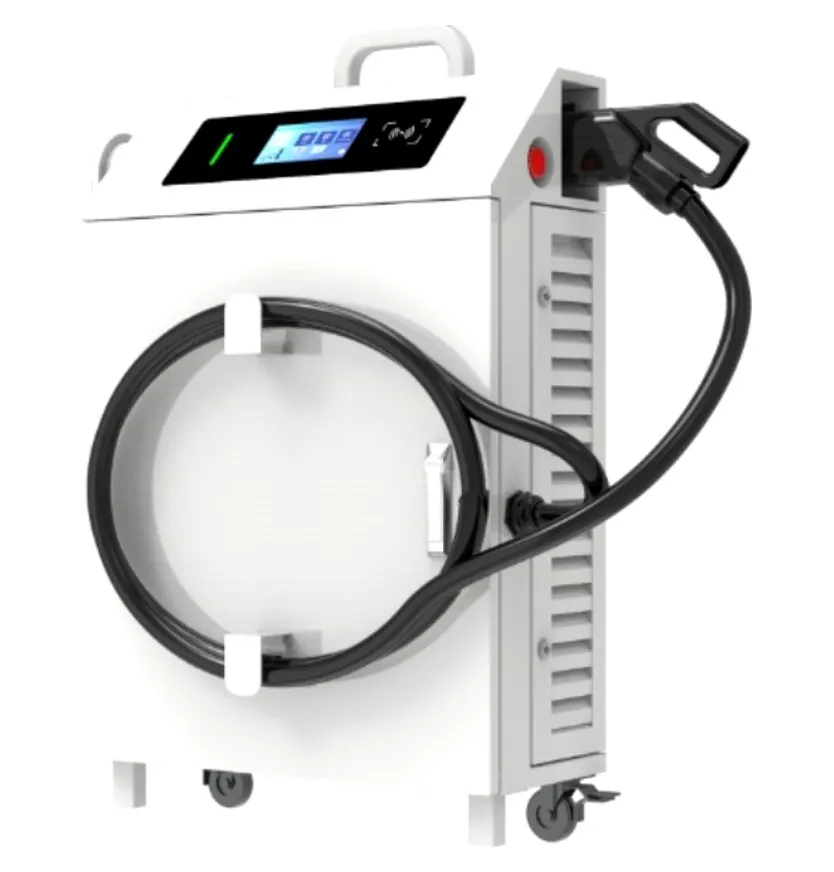
DC fast chargers · 30 kW
30 kW DC Charger: The Smallest Practical Fast Charger
A 30 kW DC wallbox charges most cars three times faster than 11 kW AC. Supply needed, charging times, best sites and VT-DW30 specifications.
- Prepared by
- VULTAE Engineering Team
- Published
- Reading time
- 4 min
- Sources
- 2 references
At a glance
- Rated output
- 30 kW DC
- Output voltage
- 200–1,000 V DC
- Max. output current
- 100 A
- Input
- 400 V 3-phase, 47 A per phase
- Connector
- CCS2 (CCS1, CHAdeMO, NACS, GB/T options)
- Mounting
- Wall or pedestal
- Size
- 690 × 300 × 760 mm
- VULTAE model
- VT-DW30
Key takeaways
- 1A 30 kW DC charger bypasses the car’s on-board AC charger, so it charges most cars about three times faster than an 11 kW AC wallbox — around 100 km of range in under 40 minutes.
- 2It needs roughly the supply of a large AC charger: the VT-DW30 draws up to 47 A per phase at 400 V, about 33 kVA, compared with 32 A per phase for a 22 kW AC unit.
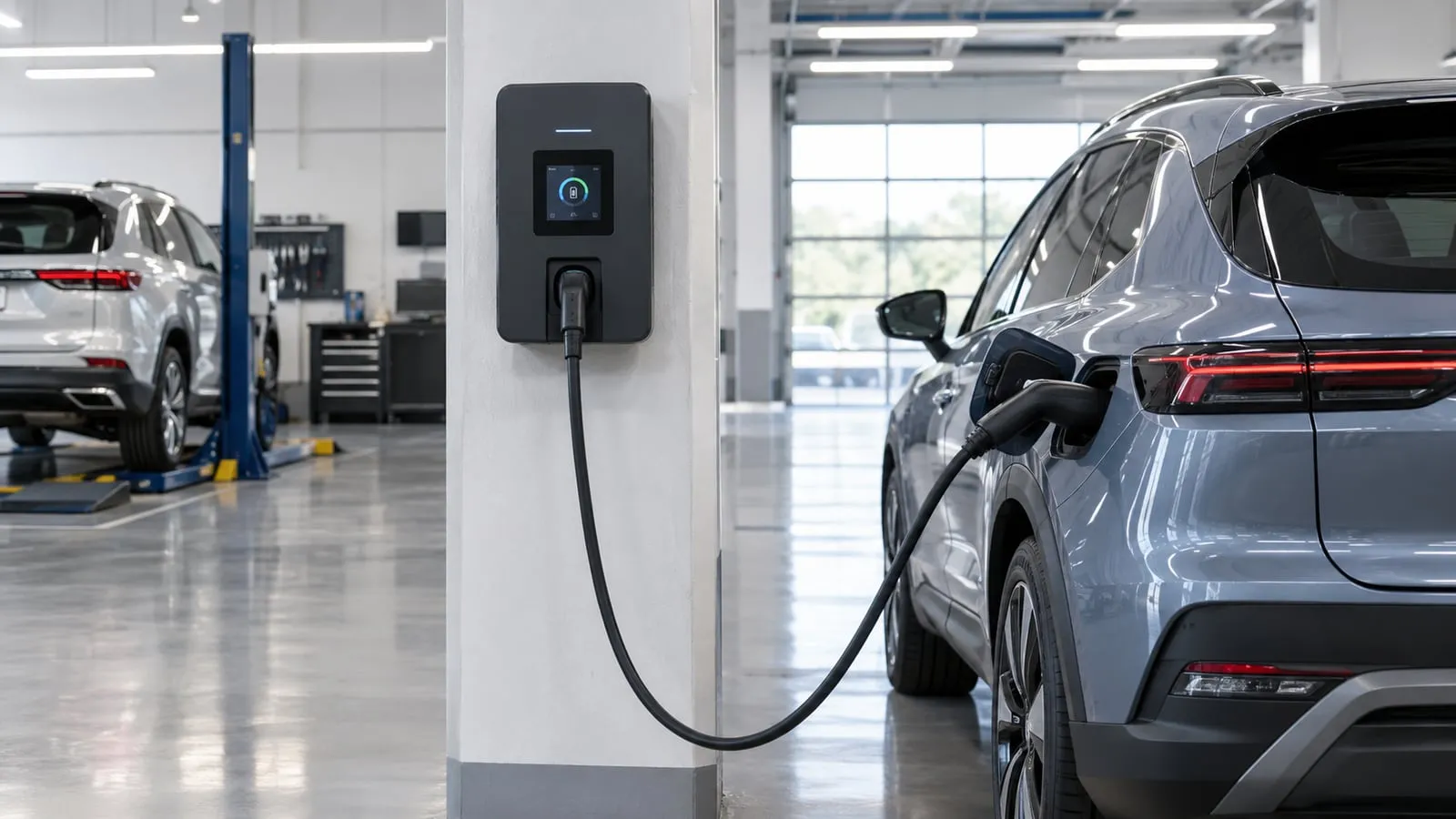
- 3It fits sites where vehicles stay 30 minutes to 2 hours: dealership preparation and test-drive bays, workshops, fleet depots with short turnarounds, hotels, restaurants and small retail.
- 4Wall-mounted 30 kW units avoid the foundations, cable trenches and grid upgrades of large DC cabinets, which often makes them the cheapest way to offer DC charging.
Contents
Short answer: a 30 kW DC charger is the smallest fast charger that makes a real difference. Because DC charging bypasses the car’s on-board AC charger, it delivers about three times the power most cars accept on AC (typically 11 kW) — around 100 km of range in under 40 minutes. It needs a three-phase supply similar to a large AC charger (about 47 A per phase for our VT-DW30), mounts on a wall, and suits sites where cars stay 30 minutes to 2 hours.
Why 30 kW DC beats 22 kW AC for most cars
On AC, the car’s on-board charger converts the power — and most are limited to 11 kW. A DC charger converts the power itself and feeds the battery directly, so the car’s AC limit no longer applies.
Charging times at 30 kW
| Battery | 20 → 80 % | Energy added per 30 minutes |
|---|---|---|
| 40 kWh | ≈ 50 min | ≈ 14 kWh (≈ 85 km) |
| 60 kWh | ≈ 1 h 15 min | ≈ 14 kWh (≈ 85 km) |
| 80 kWh | ≈ 1 h 40 min | ≈ 14 kWh (≈ 85 km) |
At 30 kW most cars stay at full power for most of the session, because the charger is well below their DC limit — so the estimates are steadier than for high-power chargers.
Where a 30 kW DC charger fits
| Site | Why 30 kW works |
|---|---|
| Car dealerships | Prepare demonstrators and customer handovers; top up after test drives |
| Workshops and service centres | Charge cars during a service visit |
| Fleet depots with short turnarounds | Taxis, delivery vans, pool cars between shifts |
| Hotels and restaurants | Meaningful charge during a meal or a short stay |
| Small retail and offices | DC offer without a grid upgrade |
| Municipal depots | Service vehicles with irregular schedules |
If vehicles stay all night, AC is cheaper. If they need 80 % in 20–30 minutes, look at 120 kW and above.
Supply and installation
| Item | VT-DW30 |
|---|---|
| Supply | 230 / 400 V AC three-phase, 50/60 Hz |
| Input current | Up to 47 A per phase (≈ 33 kVA) |
| Mounting | Wall, or pedestal where there is no wall |
| Ingress / impact | IP54 · IK10 |
| Operating temperature | −25 °C to +55 °C |
Compared with a large DC cabinet, a wall-mounted 30 kW unit needs no concrete foundation and usually no new transformer — often the deciding factor in total project cost.
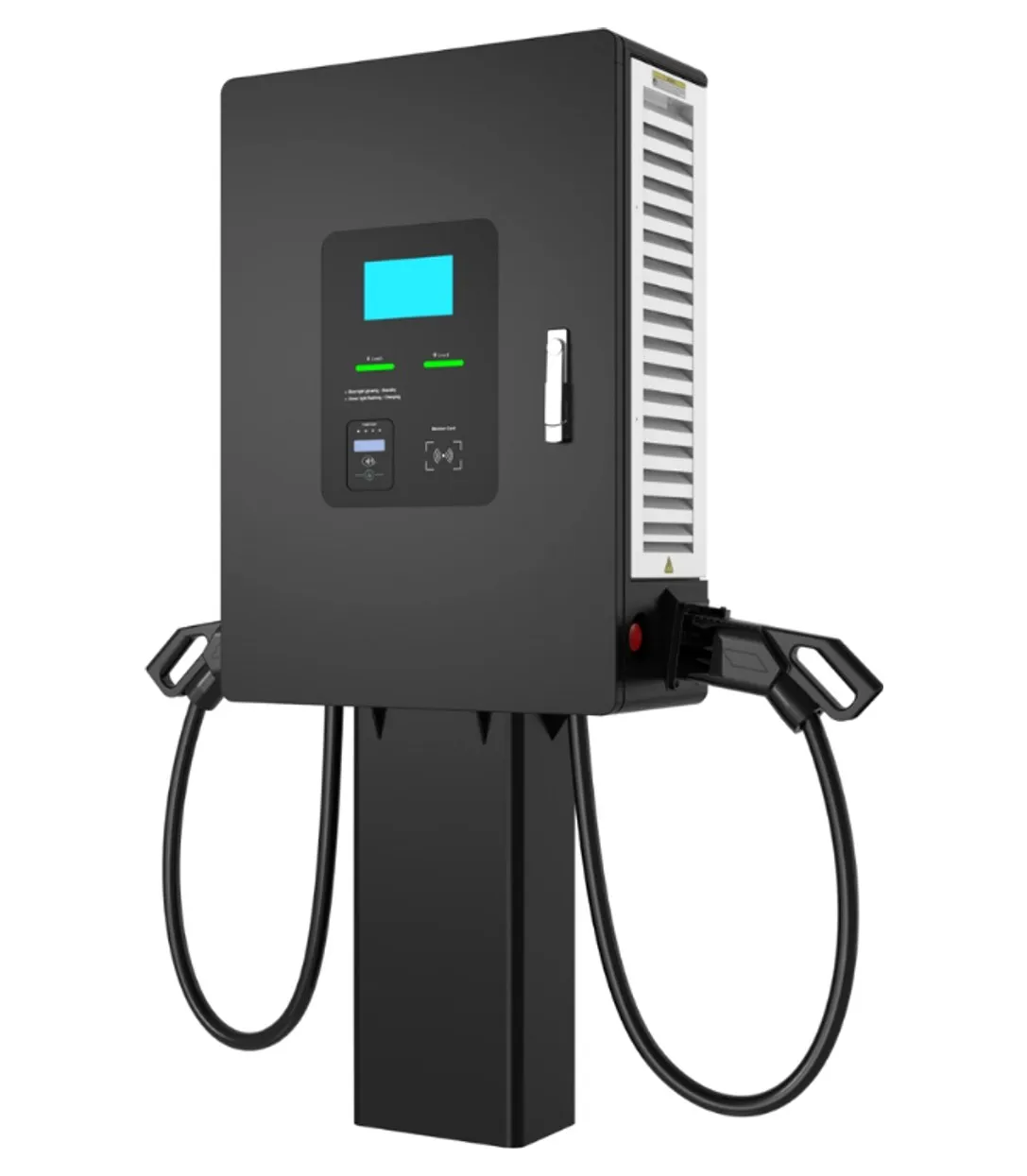
VT-DW30 specifications
| VT-DW30 | |
|---|---|
| Max. output power | 30 kW |
| Output voltage | 200–1,000 V DC |
| Max. output current | 100 A |
| Connector | 1 × CCS2 (CCS1, CHAdeMO, NACS or GB/T available) |
| Efficiency | ≥ 95.2 % at full load |
| Metering accuracy | Class 0.5 |
| Interface | 7″ touchscreen, RFID, QR code |
| Back end | OCPP 1.6J / 2.0.1 |
| Dimensions (W × D × H) | 690 × 300 × 760 mm |
The VT-DW range also includes 20, 40 and 60 kW models — see the VT-DW product page.
Questions buyers ask
- How long does a 30 kW DC charger take?
- About 1 hour 15 minutes to take a 60 kWh battery from 20 % to 80 % (36 kWh), and around 35–40 minutes to add 100 km of range for a typical car. The car can usually accept the full 30 kW over most of the charge.
- Is a 30 kW DC charger worth it compared with 22 kW AC?
- For most cars, yes: many accept only 11 kW on AC, so a 22 kW AC charger gives them 11 kW, while a 30 kW DC charger gives them 30 kW. If your vehicles accept 22 kW AC and stay for hours, AC is cheaper.
- What electrical supply does a 30 kW DC charger need?
- A three-phase 400 V supply able to deliver about 47 A per phase for the VT-DW30, roughly 33 kVA. Your electrician sizes the cable and protection from this input current, the run length and local rules.
- Can a 30 kW DC charger be wall mounted?
- Yes. The VT-DW30 is a 690 × 300 × 760 mm wall unit; it can also be mounted on a pedestal where there is no suitable wall.
- Which vehicles can use a 30 kW DC charger?
- Any vehicle with a DC charging inlet matching the connector — CCS2 in IEC markets, CCS1 or NACS in North America, CHAdeMO or GB/T where those are used. The VT-DW30 covers 200–1,000 V DC, so it serves both 400 V and 800 V vehicles.
References
- [1]IEC 61851-23:2023 — DC electric vehicle supply equipment. International Electrotechnical Commission.
- [2]Procurement and installation for electric vehicle charging infrastructure. U.S. Department of Energy.