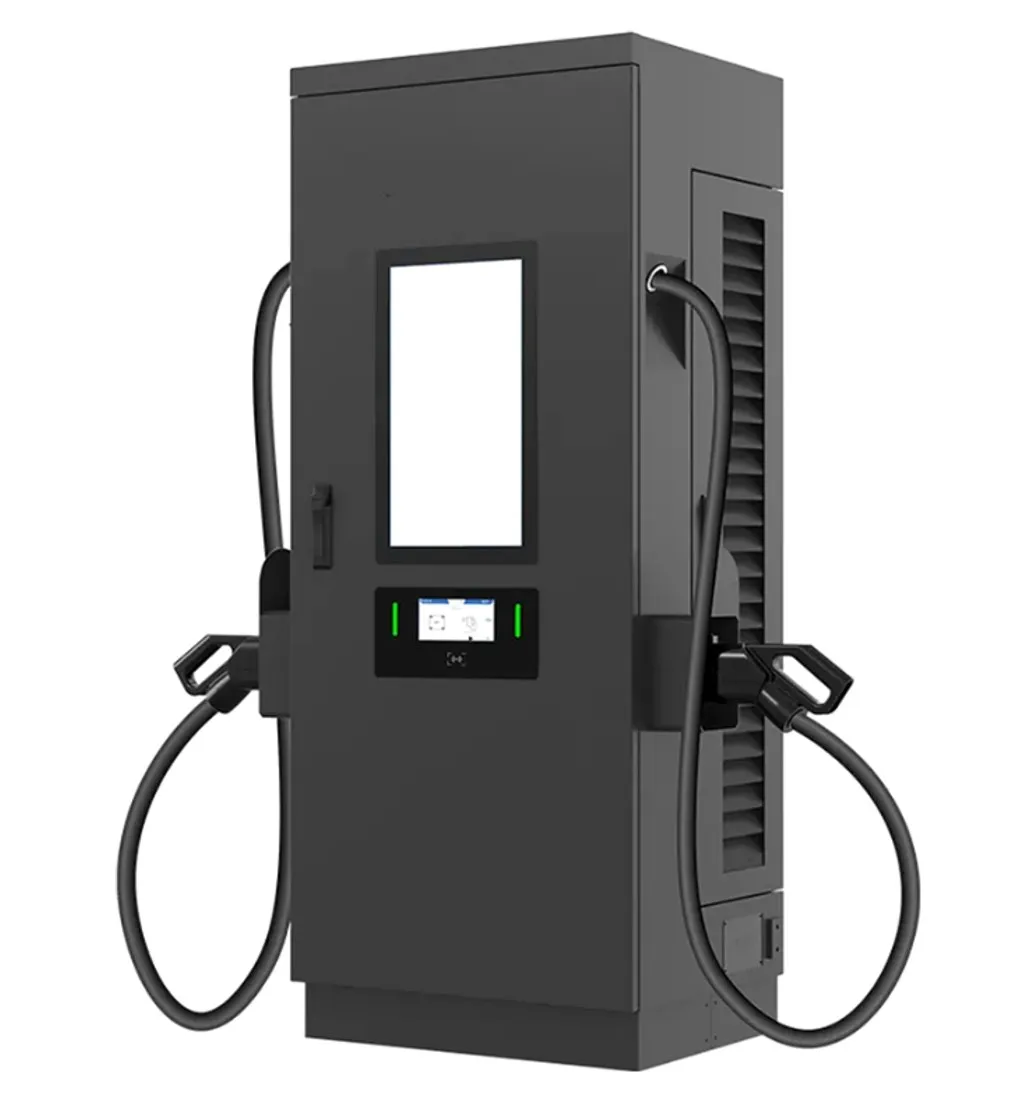
DC fast chargers · 40 kW
40 kW DC Charger for Dealerships, Fleets and Retail
40 kW DC charging: one car fast or two at once, daily energy throughput by utilisation, supply needs, and when 40 kW beats 30 or 60 kW.
- Prepared by
- VULTAE Engineering Team
- Published
- Reading time
- 3 min
- Sources
- 2 references
At a glance
- Rated output
- 40 kW DC
- Connectors
- 1 × or 2 × CCS2 (other types optional)
- Output voltage
- 200–1,000 V DC
- Max. output current
- 133 A
- Input
- 400 V 3-phase, 62 A per phase
- Daily capacity
- Up to ≈ 960 kWh in 24 h
- Mounting
- Wall or pedestal
- VULTAE models
- VT-DW40 · VT-DW40-2
Key takeaways
- 140 kW is the point where one DC charger can serve either one car quickly — about 100 km in under half an hour — or two cars at once at about 20 kW each.
- 2Choose the dual-connector version where cars arrive together or stay longer (fleet depots, workplaces); choose the single connector where turnaround is quick and one driver waits (dealerships, cafés).
- 3A 40 kW charger can move up to 960 kWh a day if it never stops. Real sites run at 10–30 % utilisation, which is 100–290 kWh a day — the number to use in a business case.
- 4The VT-DW40 draws up to 62 A per phase at 400 V (about 43 kVA), still within reach of many commercial supplies without a new transformer.
Contents
Short answer: a 40 kW DC charger serves one car quickly — about 100 km of range in under half an hour — or, in a dual-connector version, two cars at once at about 20 kW each. It draws about 62 A per phase at 400 V (≈ 43 kVA for our VT-DW40), mounts on a wall or pedestal, and suits dealerships, fleet depots, workplaces and retail sites where vehicles stay between 30 minutes and a few hours.
One connector or two?
| VT-DW40 (single CCS2) | VT-DW40-2 (dual CCS2) | |
|---|---|---|
| One car connected | Up to 40 kW | Up to 40 kW |
| Two cars connected | — (second car waits) | About 20 kW each |
| Best for | Quick stops with one waiting driver: dealership handovers, cafés, small retail | Vehicles arriving together or staying longer: fleet depots, workplaces, hotels |
| Height | 760 mm | 960 mm |
A dual-connector unit avoids the most common inefficiency on busy sites — a fully charged car blocking the only cable while another waits.
Daily energy throughput: the number for your business case
A charger earns from the energy it delivers. At 40 kW, the theoretical maximum is 960 kWh per day; real sites never get close, because cars arrive unevenly, taper near full, and leave the charger idle at night.
Multiply daily energy by your margin per kWh to estimate revenue; our article on charging station profitability walks through the full calculation including demand charges.
30, 40 or 60 kW?
| 30 kW | 40 kW | 60 kW | |
|---|---|---|---|
| Input current per phase (VT-DW) | 47 A | 62 A | 93 A |
| 100 km of range | ≈ 36 min | ≈ 27 min | ≈ 18 min |
| Two connectors available | No | Yes (VT-DW40-2) | Yes (VT-DW60-2) |
| Typical sites | Dealerships, workshops, small sites | Retail, fleets, workplaces | Busier retail and fleet sites, small public hubs |
At 40 kW and above, check the site’s supply and any demand-based tariff before deciding; the charger’s peak draw may set the monthly demand charge.
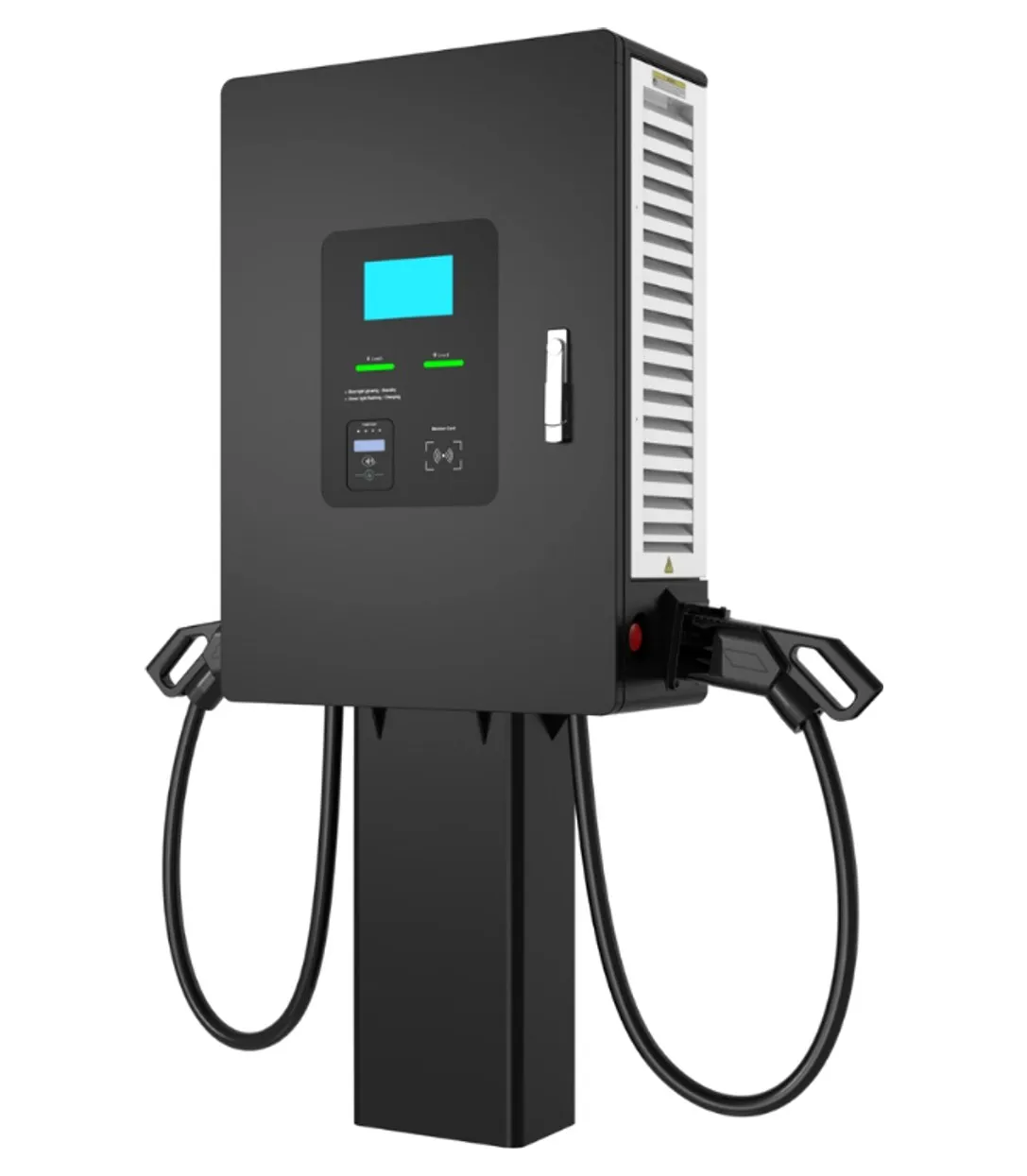
VT-DW40 specifications
| VT-DW40 | VT-DW40-2 | |
|---|---|---|
| Max. output power | 40 kW | 40 kW |
| Connectors | 1 × CCS2 | 2 × CCS2 |
| Output voltage / max. current | 200–1,000 V / 133 A | 200–1,000 V / 133 A |
| Input | 230 / 400 V AC, 3-phase, 62 A per phase | Same |
| Efficiency | ≥ 95.2 % at full load | Same |
| Ingress / impact | IP54 · IK10 | Same |
| Operating temperature | −25 °C to +55 °C | Same |
| Interface | 7″ touchscreen, RFID, QR code; OCPP 1.6J / 2.0.1 | Same |
| Dimensions (W × D × H) | 690 × 300 × 760 mm | 690 × 300 × 960 mm |
CCS1, CHAdeMO, NACS or GB/T connectors, 4G and Wi-Fi, POS card payment, a C4 anti-corrosion finish and OEM branding are available. See the VT-DW product page.
Questions buyers ask
- How fast is a 40 kW DC charger?
- It adds about 100 km of range in roughly 25–30 minutes for a typical car, and takes a 60 kWh battery from 20 % to 80 % in about 55 minutes. With two cars connected to a dual-connector unit, each gets about half the power.
- Should I choose one connector or two at 40 kW?
- Two connectors suit sites where vehicles arrive together or stay an hour or more, such as fleet depots and workplaces, because both cars charge without anyone moving vehicles. One connector suits quick stops where speed for a single waiting driver matters more.
- What supply does a 40 kW DC charger need?
- About 62 A per phase at 400 V for the VT-DW40, roughly 43 kVA. Many commercial buildings can supply this without a new transformer; your electrician and grid operator confirm it.
- How much energy can a 40 kW charger deliver per day?
- At most about 960 kWh if it ran at full power 24 hours a day. Real utilisation is usually 10–30 %, which means roughly 100–290 kWh per day — enough for about 550 to 1,700 km of driving.
- Is 40 kW enough for a fleet depot?
- For vans and cars that return to the depot for an hour or more between shifts, often yes — especially with dual connectors. For quick turnarounds of 20–30 minutes, 60–120 kW chargers are more suitable.
References
- [1]IEC 61851-23:2023 — DC electric vehicle supply equipment. International Electrotechnical Commission.
- [2]Procurement and installation for electric vehicle charging infrastructure. U.S. Department of Energy.